
Sui unveils suiUSDe stablecoin in partnership with Ethena, SUIG

Sui has introduced suiUSDe, a new synthetic stablecoin built natively on the network to reduce reliance on dominant assets like USDC.
- Sui, SUIG, and Ethena announced suiUSDe, a Sui-native synthetic stablecoin.
- Revenue will fund SUI buybacks, linking stablecoin growth to token demand.
- Regulatory and market challenges could slow adoption despite strong potential.
Sui has partnered with Nasdaq-listed SUI Group Holdings and Ethena Labs to launch suiUSDe, a new synthetic stablecoin designed for the Sui blockchain.
Announced on Oct. 1, the project makes Sui ( SUI ) the first non-EVM network to introduce a native, yield-generating dollar asset, reflecting a major step in its DeFi strategy.
How suiUSDe works
SuiUSDe is powered by Ethena’s ( ENA ) strategy that pairs digital asset reserves with short futures positions. The token can generate revenue and maintain its dollar peg thanks to this structure. In order to create a loop that returns value to the ecosystem, the Sui Foundation and SUIG will use the net proceeds to buy SUI tokens straight from the market.
Later this year, USDi, a second product, will also debut on Sui alongside suiUSDe. For those seeking stability without taking on additional risk, USDi, a non-yielding stablecoin backed by BlackRock’s USD Institutional Digital Liquidity Fund, offers a more straightforward choice.
Mysten Labs Co-Founder Adeniyi Abiodun described suiUSDe as a “new pillar of Sui DeFi infrastructure,” noting that it connects directly to protocols such as DeepBook. SUIG Chairman Marius Barnett called it the first step toward building a “SUI Bank,” creating one of the first public gateways to the stablecoin economy.
Ecosystem impact and risks
Sui presents itself as a high-performance substitute for EVM-based chains by integrating yield into a native stablecoin. The move could reduce reliance on dominant assets like USD Coin ( USDC ) while providing decentralized finance developers with sustainable liquidity sources.
But challenges are clear. U.S. regulators are reviewing synthetic stablecoins under the GENIUS Act, which calls for reserve assets to be held in Treasuries.
SUIG also faces questions after federal investigators opened a probe into digital asset treasury companies in late September. With market swings, the reinvestment design could amplify exposure if token demand weakens.
In a bullish case, SuiUSDe could attract adoption, expand liquidity, and help establish Sui as a strong home for stablecoin growth, with steady buybacks boosting SUI demand. Otherwise, regulatory scrutiny or weak market demand could limit adoption, pressuring both the stablecoin and SUI’s value.
Disclaimer: The content of this article solely reflects the author's opinion and does not represent the platform in any capacity. This article is not intended to serve as a reference for making investment decisions.
You may also like
Mars Morning News | After the Ethereum Fusaka upgrade, the blob base fee surged by 15 million times
Multiple blockchain industry updates: a Bitcoin OG wallet transferred 2,000 BTC; Cloudflare outage was not caused by a cyberattack; the DAT bubble has burst; Ethereum Fusaka upgrade fees have surged; LUNC has risen over 80% intraday. Summary generated by Mars AI. This summary was generated by the Mars AI model, and the accuracy and completeness of its content are still under iterative improvement.
Drones, Fake Birdsong, and Broken Glass Traps: Malaysia is Undergoing an Unprecedented "Bitcoin Crackdown"
The Malaysian government is intensifying its crackdown on illegal bitcoin mining, utilizing technologies such as drones and sensors to uncover numerous operations, with electricity theft causing significant losses. Summary generated by Mars AI. The accuracy and completeness of the content generated by the Mars AI model are still in the process of iterative improvement.

Bitwise CIO: Stop Worrying, MicroStrategy Won't Sell Bitcoin
There are indeed many concerns in the crypto industry, but MicroStrategy selling bitcoin is definitely not one of them.

A 6200-fold profit: Who is the biggest winner of Moore Threads?
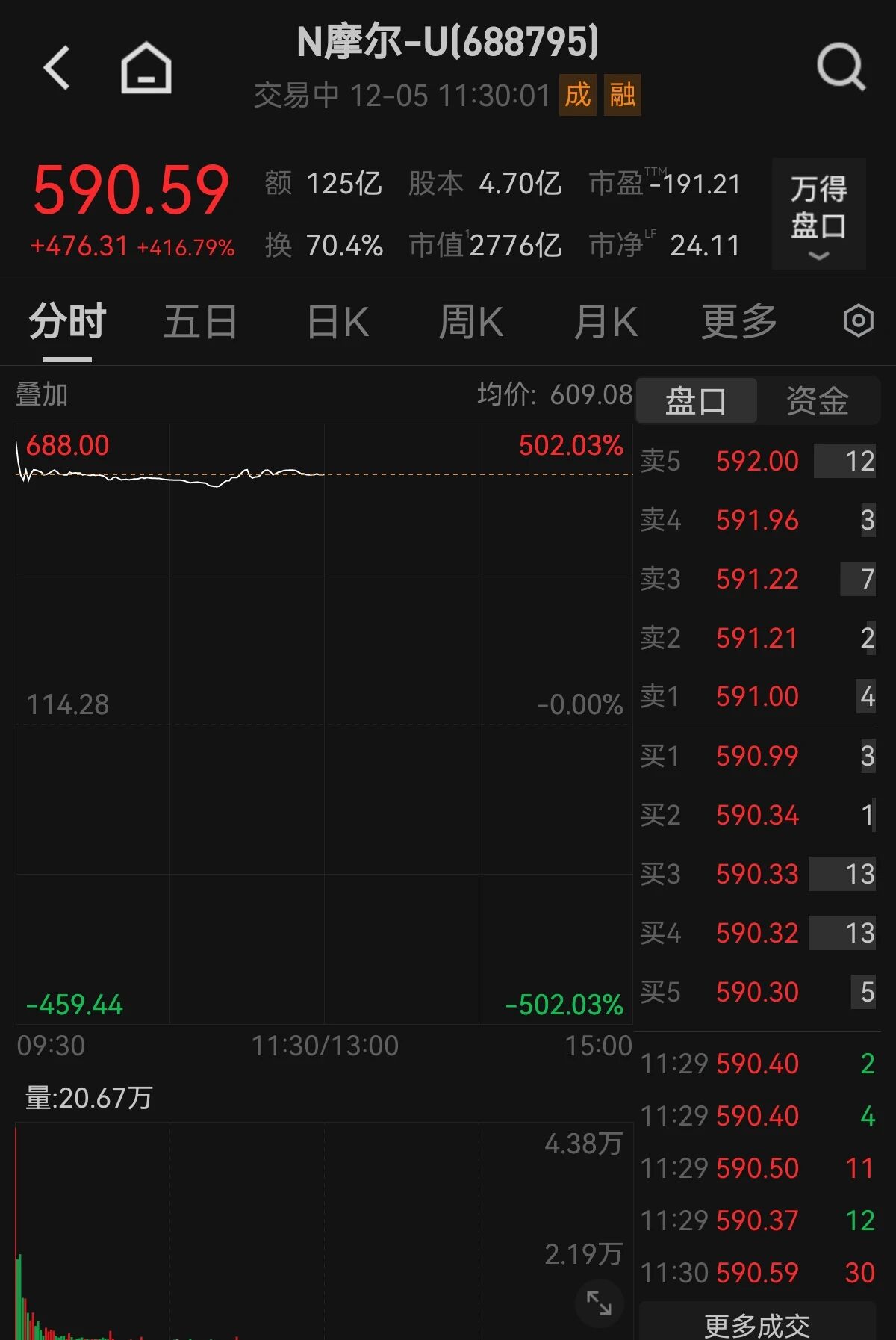
On December 5, Moore Threads officially debuted on the STAR Market, opening at 650 yuan, a surge of 468.78% compared to its issue price of 114.28 yuan.
Trending news
MoreCrypto prices
More





