
Does your credit score start over when a new year begins?

Starting Fresh in the New Year
The beginning of a new year often feels like the perfect opportunity to make a fresh start—an ideal moment to set new goals, break old habits, and embrace positive changes.
But when it comes to your credit score, can you simply hit the reset button as the calendar turns? Unfortunately, credit scores don’t automatically start over each year. In fact, many people notice a dip in their scores after the holidays, often due to extra debt accumulated during that time.
However, a low credit score isn’t permanent. Your credit score is shaped by your financial habits over time, so consistent, responsible behavior is much more important than the time of year.
How Frequently Do Credit Scores Change?
Your credit score can be updated as often as every month.
This is because lenders typically report your borrowing activity to the major credit bureaus every 30 days. Whenever new information appears on your credit report, your score may adjust accordingly.
It’s normal for your credit score to rise and fall each month. Significant improvements, however, usually take time. Based on experience helping thousands of people, it often takes at least a year to see an increase of 80 points or more.
What Triggers Changes in Credit Scores?
Any update to your credit report can impact your score. Positive changes, such as paying down debt or correcting an error on your report, may result in a higher score.
On the other hand, negative financial events can cause your score to drop. The holiday season is a common time for this, as many people take on new debt for gifts, travel, or celebrations. According to a survey by The Harris Poll for the American Institute of CPAs (AICPA), 79% of respondents planned to use credit cards for holiday expenses in 2025.
Here are some of the main reasons your credit score might decrease:
- Filing for bankruptcy
- Having an account sent to collections
- Missing payments on debts
- Taking on additional debt
- Opening new loans or credit cards, including buy now, pay later options
- Closing existing loans or credit accounts
- Applying for several new credit accounts in a short period
Related Resources
Tips for Improving Your Credit Score in the New Year
Whether you’re recovering from holiday spending or simply aiming to raise your score, there are several effective ways to make progress. Here are some top strategies:
Pay Down Holiday Debt with a Plan
The AICPA survey revealed that 17% of people expect it will take them more than six months to pay off holiday-related debt. If you’re in this group, consider these approaches to speed up repayment and recover lost credit points:
- Debt consolidation: Using a personal loan to pay off credit card balances can be beneficial, as personal loans typically have lower interest rates (11.14% on average) compared to credit cards (21.39%). Consolidating your debt can help you save on interest and pay off what you owe more quickly.
- Reduce spending: Temporarily cutting back on non-essential expenses can free up extra funds to pay down debt faster.
- Credit counseling: Contact an NFCC-certified credit counseling agency for help with budgeting, reviewing your credit reports, and exploring debt management solutions.
Adopt Smart Credit Habits
Building excellent credit is a long-term process that requires consistent, healthy financial habits. To see lasting improvements, make these practices part of your routine:
- Always make at least the minimum payment on all debts by the due date. Ideally, aim to pay off your credit card balances in full each month.
- Avoid relying on high-interest or risky financial products, such as credit cards, buy now pay later agreements, or payday loans. In emergencies, use your savings or, if necessary, consider a personal loan or borrowing from someone you trust.
- Request your free credit reports at least twice a year. Regularly review your reports for signs of identity theft or errors, and dispute any inaccuracies you find.
If you have a trusted family member or spouse with strong credit, you might ask to be added as an authorized user on their credit card. This can help you benefit from their positive account history and potentially improve your own score more quickly.
Disclaimer: The content of this article solely reflects the author's opinion and does not represent the platform in any capacity. This article is not intended to serve as a reference for making investment decisions.
You may also like
300% Gains in Just Days: Discover Why Experts Crown ZKP the Best Crypto to Buy Over Solana and Zcash
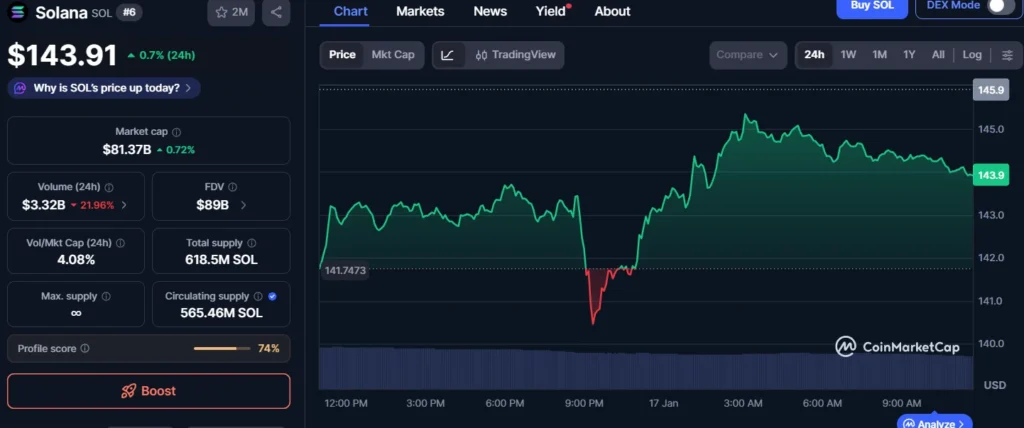
From Anonymity to Selective Disclosure: The Next Era of Privacy Coins

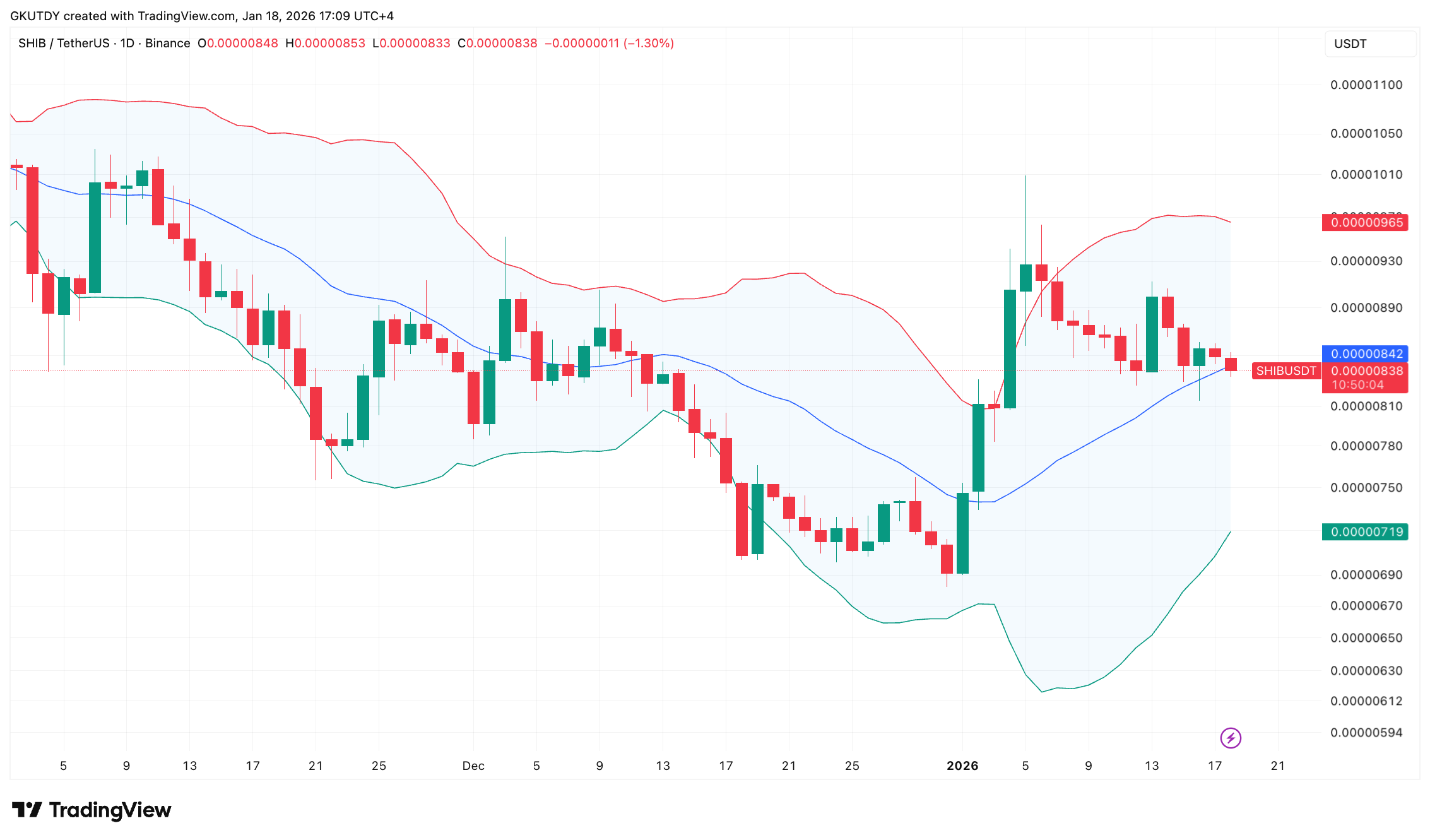
Shiba Inu (SHIB) Price Alert: Bulls Lose Control as Popular Indicator Signals 14% Drop
803,780,000 XRP Now Locked in ETFs as Major Repricing Looms

Trending news
MoreCrypto prices
More






