
Zcash Halving and Its Effects on Crypto Markets: Deflationary Dynamics and Investor Perspectives
- Zcash (ZEC) will undergo its next halving in late 2028, reducing block rewards by 50% and aligning with Bitcoin's deflationary model. - The 2024 halving triggered a 1,172% price surge followed by a 96% crash, highlighting volatility from scarcity-driven speculation and macroeconomic factors. - Regulatory challenges like EU MiCA framework scrutiny and reliance on transaction fees raise sustainability concerns as block rewards shrink. - Future success depends on balancing deflationary scarcity with regulat
Zcash Halving: Navigating Deflation and Market Dynamics
Zcash (ZEC), a cryptocurrency known for its privacy features, is on track for its next halving event in late 2028. This milestone will continue to reduce the coin’s issuance, reinforcing its deflationary nature. Historically, halvings have sparked notable price swings and fueled speculation among investors. As Zcash’s supply model increasingly mirrors that of Bitcoin, it becomes essential to examine how these deflationary mechanisms shape investor attitudes and influence price trends, especially when considering the asset’s long-term potential.
Scarcity as a Strategy: The Deflationary Framework
Much like Bitcoin, Zcash follows a four-year halving cycle, systematically decreasing block rewards to foster scarcity. The 2024 halving marked a significant turning point, slashing block rewards from 3.125 ZEC to 1.5625 ZEC and reducing annual inflation from 2% to 1% by 2028. This approach aligns Zcash with Bitcoin’s monetary policy, appealing to those seeking assets that resist inflation.
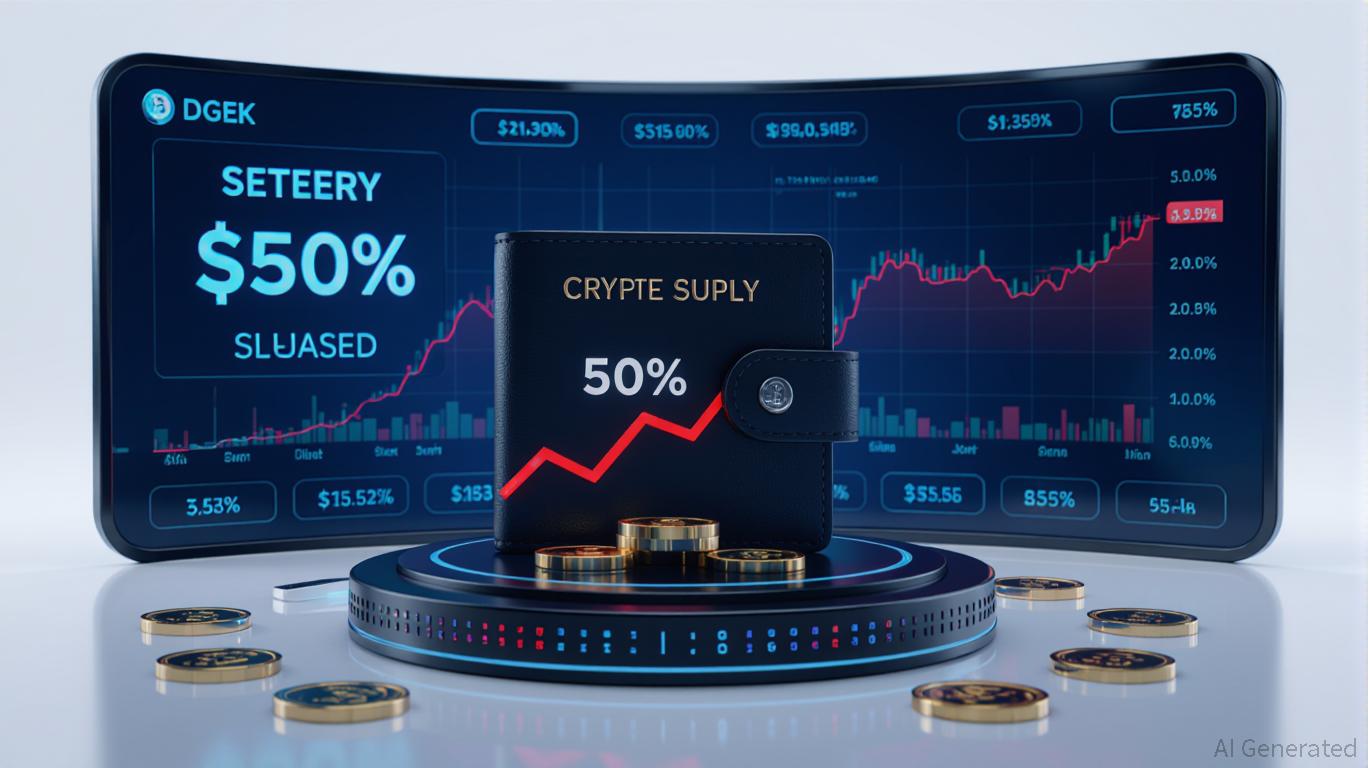
Bitget’s research highlights that the 2024 halving brought Zcash’s issuance model even closer to Bitcoin’s, strengthening its reputation as a privacy coin with a deflationary edge. However, as block rewards diminish, the network must increasingly depend on transaction fees and alternative funding to keep miners engaged. This shift raises important questions about the network’s long-term security and operational resilience as the ecosystem matures.
Market Reactions: Insights from the 2024 Halving
The 2024 halving showcased both the opportunities and risks of deflationary events. Immediately following the halving, Zcash’s price soared by an astonishing 1,172%, fueled by speculation and heightened institutional interest. Notable investments, such as Grayscale’s $137 million Zcash Trust and Cypherpunk Technologies’ $108 million allocation, demonstrated strong confidence in Zcash’s privacy-focused model. However, this surge was fleeting—within two weeks, ZEC’s price plummeted by 96%, highlighting the extreme volatility that often accompanies halving cycles.
This dramatic price movement underscores the complex relationship between supply-driven scarcity and broader economic factors. While a reduced supply can theoretically boost prices, external influences like liquidity, regulatory changes, and macroeconomic trends often play a decisive role in shaping market outcomes. For example, the European Union’s MiCA regulations have increased scrutiny of privacy coins like Zcash, prompting the need for greater transparency. Bitget notes that such regulatory uncertainties can temper investor enthusiasm, even as deflationary forces create long-term scarcity.
Looking Ahead: Striking a Balance Between Scarcity and Viability
The upcoming halving in late 2028 will further decrease block rewards to 0.78125 ZEC, tightening supply and reducing annual inflation to 1%. This could intensify upward price pressure, especially if institutional participation grows. Nevertheless, Zcash’s future success will depend on its ability to address regulatory challenges and maintain robust network security.
Investors must carefully consider the potential for price appreciation driven by scarcity against the risks posed by regulatory interventions, technological competition, and market liquidity. While Zcash’s deflationary approach offers a compelling narrative, its practical impact will hinge on how effectively the network adapts to ongoing challenges.
Summary
Zcash’s halving events highlight the delicate balance between engineered scarcity and market volatility. By aligning its supply model with Bitcoin, Zcash has carved out a distinctive position in the privacy coin sector. However, the dramatic price fluctuations following the 2024 halving reveal the speculative risks involved. For investors, success lies in weighing the appeal of limited supply against the realities of regulation, technology, and broader economic forces. As the next halving approaches, Zcash’s ability to incentivize miners and comply with evolving regulations will be crucial in determining whether its deflationary design translates into enduring value.
Disclaimer: The content of this article solely reflects the author's opinion and does not represent the platform in any capacity. This article is not intended to serve as a reference for making investment decisions.
You may also like
ZCash Rally Raises Questions: How High Can ZEC Climb From Here?

AMINA Bank Becomes First European Bank to Activate Ripple Payments Integration
Tether Offers $1 Billion Cash Bid to Acquire Full Control of Juventus Football Club
Itaú Advises Brazilian Investors to Allocate Up to 3% of Portfolio to Bitcoin

Trending news
MoreCrypto prices
More





