
Strategic Capital Allocation for Economic Stability: Adapting to Market Changes Influenced by Policy
- IMF and World Bank lead global crisis prevention through frameworks like RST and CPGA, integrating climate risk into fiscal planning and disaster preparedness. - Policy tools such as Climate Resilient Debt Clauses and Rapid Response Options create investment opportunities in resilient infrastructure and DRR projects. - GAR 2025 highlights $2.3T annual disaster costs, emphasizing $15 return per $1 invested in DRR, particularly in vulnerable regions like Micronesia and South Asia. - Investors are advised t
Adapting Investment Strategies in a Changing Global Economy
Today’s global economy is increasingly influenced by the interplay between systemic risks and innovative policy responses. With the growing impact of climate change, health crises, and geopolitical tensions, investors are compelled to rethink their approaches, aligning with new policy measures aimed at reducing these threats. Organizations such as the International Monetary Fund (IMF) and the World Bank have taken center stage in fostering economic stability, introducing mechanisms that not only support vulnerable nations but also generate fresh investment prospects. This overview explores how investors can benefit from these policy-led initiatives, drawing on key insights from recent analyses in 2023 and 2025.
Transforming Approaches to Crisis Prevention
The IMF’s Resilience and Sustainability Trust (RST) has become a vital tool for helping low- and middle-income countries address persistent challenges, particularly those related to climate change. By 2025, the RST’s Climate Macroeconomic Assessment Program had broadened its scope, incorporating climate risk into national fiscal strategies and introducing a new component to the Public Investment Management Assessment. These advancements reflect a shift toward building resilience proactively, offering investors opportunities in sectors focused on climate adaptation and sustainable infrastructure.
Similarly, the World Bank’s Crisis Preparedness Gap Analysis (CPGA), introduced in 2023, enables countries to identify weaknesses in their ability to withstand shocks such as natural disasters and pandemics. For example, Nepal’s implementation of the CPGA uncovered significant shortcomings in disaster readiness, prompting targeted investments in early warning systems and contingency planning. Such initiatives not only lower systemic risks but also attract impact investors interested in supporting resilience infrastructure.
Policy Tools Creating New Investment Avenues
By March 2025, 57 countries had adopted the World Bank’s Crisis Preparedness and Response Toolkit, demonstrating how policy instruments can open up new markets. Features like the Rapid Response Option allow governments to redirect existing funds during emergencies, while the Climate Resilient Debt Clause provides for debt service suspension in times of crisis. These tools ease fiscal pressures, enabling greater investment in resilient infrastructure—a sector expected to expand as climate-related challenges grow more severe.
The Global Assessment Report (GAR) 2025 further highlights this trend, revealing that annual disaster-related costs now surpass $2.3 trillion, with indirect and environmental losses making up the majority. The report notes that every dollar invested in disaster risk reduction (DRR) yields a fifteenfold saving in future recovery expenses. For investors, this underscores the value of supporting DRR projects, especially in regions like Micronesia, where disaster losses represent a significant share of GDP.
Embedding Resilience in Development Strategies
The International Development Association (IDA) has been instrumental in weaving crisis preparedness into broader development plans. By supporting initiatives such as the REDISSE program in West Africa and the Cambodia Southeast Asia Disaster Risk Management Project, the IDA has shown how investments in early warning systems and resilient infrastructure can address both health and climate threats. These efforts not only deliver social benefits but also appeal to investors seeking alignment with the United Nations Sustainable Development Goals, particularly those focused on climate action and sustainable urban development.
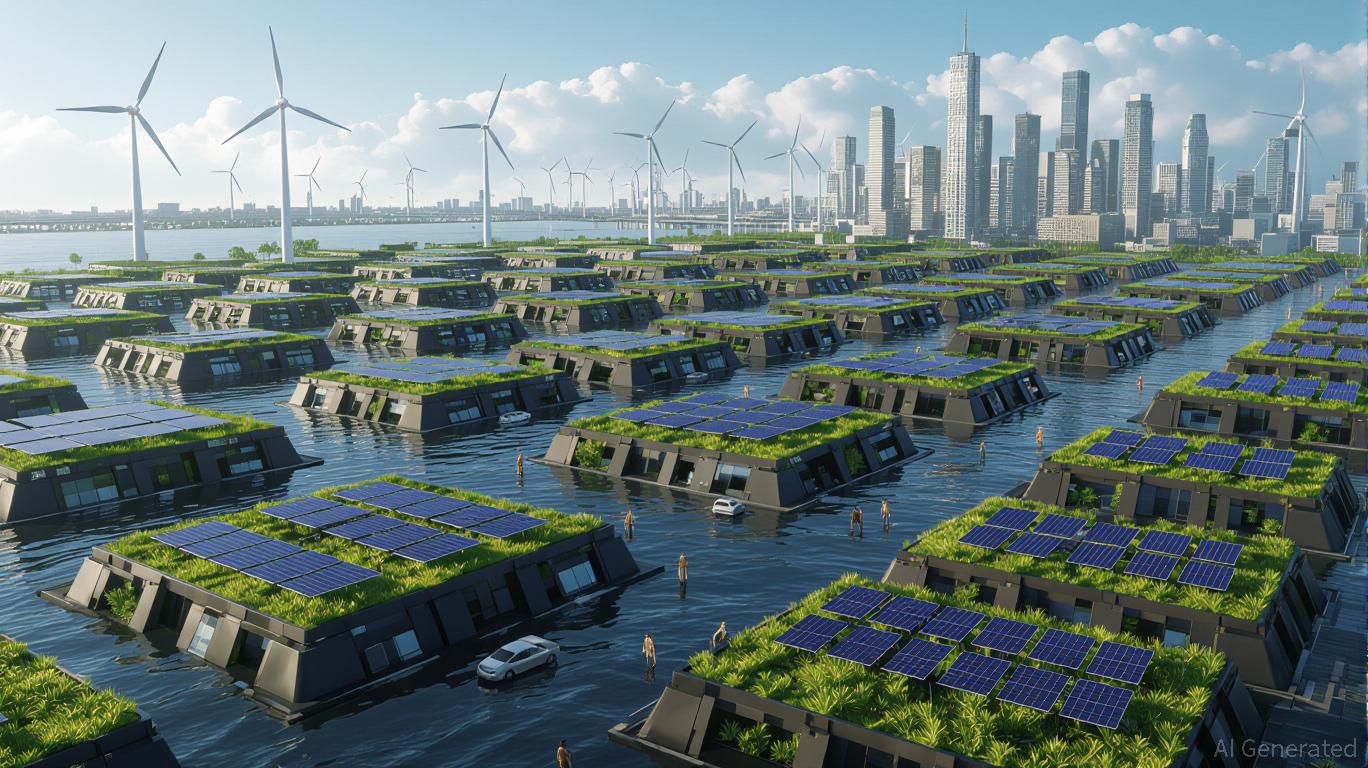
Additionally, the joint initiatives of the IMF and World Bank in 2023 to tackle issues like rising debt and financial sector vulnerabilities highlight the necessity of international policy cooperation. Investors who keep an eye on these collaborations can anticipate regulatory shifts, such as the expansion of catastrophe insurance or the issuance of green bonds to finance climate-resilient projects.
Strategies for Navigating Policy-Driven Market Changes
- Diversify by Sector: Invest in industries that benefit directly from resilience policies, including renewable energy, climate-smart agriculture, and digital platforms for crisis management.
- Focus on Vulnerable Regions: Direct capital toward areas with high exposure to shocks but strong policy backing, such as South Asia and Sub-Saharan Africa, where the World Bank’s CPGA has pinpointed significant preparedness needs.
- Engage with Policy Instruments: Collaborate with international organizations to access tools like the Climate Resilient Debt Clause, which can lower sovereign risk and improve the credit profile of emerging markets.
Conclusion
The intersection of innovative policy and the growing demand for resilience is redefining global investment strategies. As the IMF and World Bank continue to enhance their crisis prevention frameworks, investors who align with these evolving policies will not only reduce their exposure to risk but also unlock new opportunities in a rapidly changing environment. By leveraging insights from authoritative sources such as the GAR 2025 and the CPGA, investors can position themselves at the forefront of a shift toward long-term stability and sustainable growth.
Disclaimer: The content of this article solely reflects the author's opinion and does not represent the platform in any capacity. This article is not intended to serve as a reference for making investment decisions.
You may also like
The ICP Surge: Unpacking a 30% Jump and Its Driving Factors
- ICP surged 30% in late October 2025 amid speculation and institutional adoption, driven by Microsoft/Azure partnerships and AI upgrades like Caffeine. - On-chain data shows 35% growth in active addresses but 91% fewer token transfers during downturns, highlighting fragile retail-driven momentum. - TVL hit $237B via asset tokenization, yet dApp engagement dropped 22.4%, signaling volatility despite 40+ tech upgrades including Chain Fusion. - Analysts project $11.15–$88.88 price ranges by 2030, contingent

The Rise of a Structured Market for Clean Energy Derivatives and Its Influence on Institutional Investors
- CFTC's 2025 approval of CleanTrade and other platforms as SEFs transformed the opaque clean energy derivatives market into a transparent, institutional-grade ecosystem. - CleanTrade's $16B notional trading volume in two months highlights surging demand for standardized instruments, attracting BlackRock and Goldman Sachs to hedge decarbonization risks. - ESG-driven institutional investment in renewables reached $75B in Q3 2025, with global clean energy derivatives projected to grow from $39T to $125T by 2

The Rise of a Fluid Clean Energy Marketplace: How CleanTrade is Transforming Institutional Investment in Renewable Resources
- CleanTrade's CFTC-approved SEF platform transforms VPPAs, PPAs, and RECs into institutional-grade renewable energy commodities. - The platform addresses historic market issues like illiquidity and opacity, enabling $16B in notional trading volume within two months. - Industry giants Cargill and Mercuria validate clean energy as a serious asset class through strategic participation in the regulated market. - By aligning financial and ESG goals, CleanTrade creates scalable alpha opportunities as global cle

Clean Energy Market Dynamics and Investment Prospects: The Role of CFTC-Approved Platforms in Facilitating Institutional Participation
- CFTC-approved platforms like CleanTrade are transforming clean energy markets by standardizing derivatives and centralizing trading infrastructure, boosting institutional liquidity and transparency. - CleanTrade’s SEF designation in September 2025 enabled $16B in notional trades within two months, converting illiquid assets like RECs into tradable commodities with ESG-aligned risk management tools. - Institutional demand surged as 70% of large asset owners integrated climate goals, with IRA-driven clean

Trending news
MoreCrypto prices
More





