
Ripple Warns XRP Community of Surge in Scams
- Ripple warns of increased XRP scams amid recent ecosystem milestones.
- Leadership urges community to remain vigilant and report scams.
- Scam warnings have heightened community awareness and engagement.
Ripple alerted the XRP community to an increase in scam attempts impersonating Ripple executives and accounts, mainly occurring on YouTube and social media platforms.
This warning highlights the ongoing risk of financial losses to XRP holders, urging heightened vigilance while navigating the current cryptocurrency landscape.
Ripple has issued warnings about a significant surge in scam attempts targeting the XRP community. The warnings coincide with recent positive milestones in the XRP ecosystem .
CEO Brad Garlinghouse and CTO David Schwartz have been vocal about these scams, emphasizing that Ripple or executives will never solicit XRP from individuals.
The scam attempts mainly affect individual XRP holders and leverage methods like fake accounts and phishing. The market response has been mixed, with community awareness heightened due to official alerts. CEO Brad Garlinghouse stated, “We’ve noticed an uptick of XRP scams on YouTube – scammers are stealing accounts and then updating the page to impersonate Ripple’s official account (username: Ripple). Reminder: Ripple or our execs will NEVER ask you to send us XRP. If it sounds too good to be true, it probably is.”
Ripple’s leadership suggests these scams aim to exploit the recent positive market dynamics, including the launch of new XRP financial instruments and retail interest surges.
The potential for further scam attempts remains, especially given XRP’s expanding market presence. Ripple’s alignment with anti-scam coalitions aids in combating threats.
Historically, scam attempts tend to rise following major Ripple events, affecting XRP liquidity and tarnishing broader community reputations.
Disclaimer: The content of this article solely reflects the author's opinion and does not represent the platform in any capacity. This article is not intended to serve as a reference for making investment decisions.
You may also like
Sustainable Transportation in Cities and the Adoption of Renewable Energy in Developing Economies
- South Africa and India are leading solar-powered transit growth, driven by decarbonization goals and energy security needs in emerging markets. - Solar bus markets project $17.79B value by 2033 (21.6% CAGR), supported by falling solar costs, EV affordability, and policy frameworks in Africa/Asia. - Behavioral economics shapes e-mobility adoption, with South Africa targeting 18,000 tonnes CO₂ reduction via 120 electric buses and India using social nudges to boost EV uptake. - Cross-regional collaboration

A detailed overview of technology layoffs in 2025
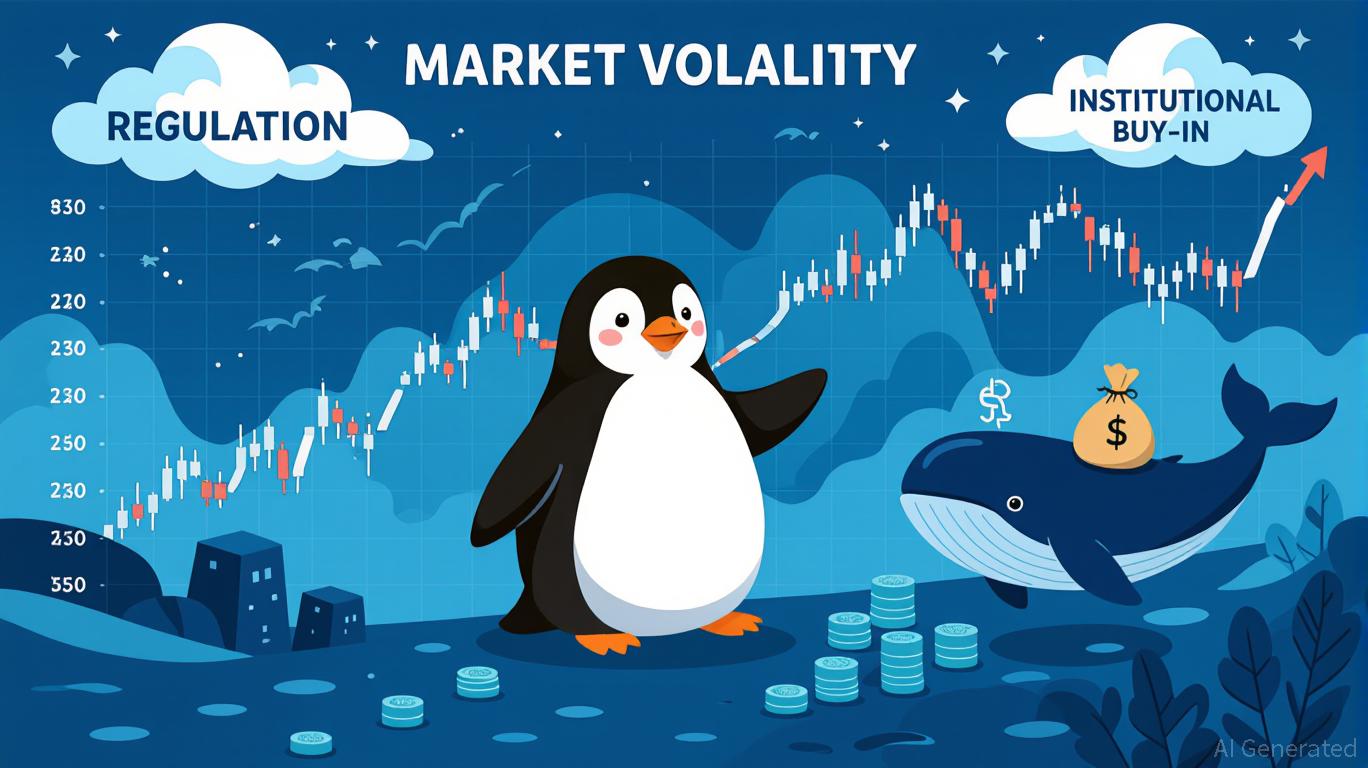
PENGU Price Forecast for 2025: Steering Through Regulatory Challenges and Growing Institutional Confidence
- Pudgy Penguins (PENGU) faces regulatory uncertainty from SEC delays and EU MiCA, causing 30% price drops due to compliance risks. - Institutional interest grows with $273K whale accumulation and rising OBV, contrasting retail fear (Fear & Greed Index at 28). - Ecosystem expansion via Pudgy World and penguSOL, plus Bitso partnership, aims to boost utility but depends on user adoption and regulation. - Expert forecasts diverge: $0.02782 (CoinCodex) vs. $0.068 (CoinDCX), with technical analysis highlighting
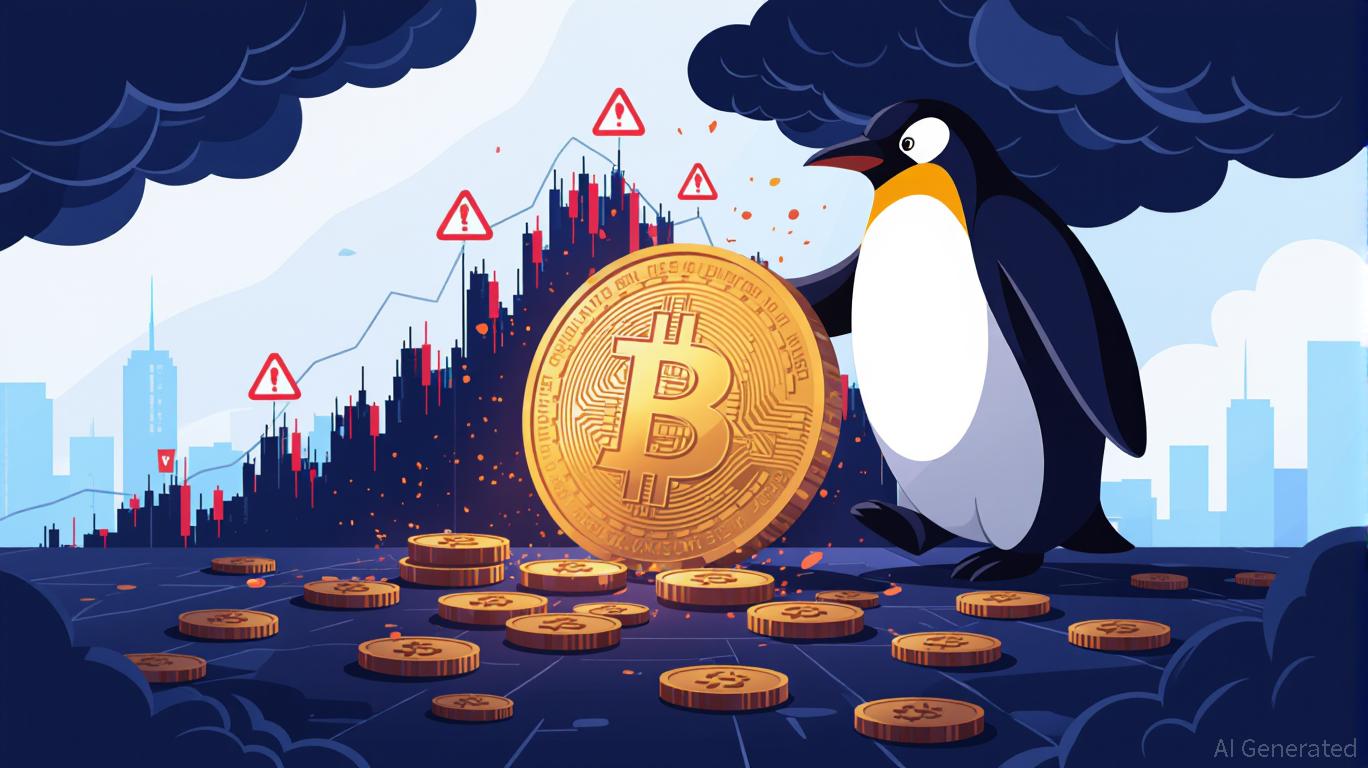
PENGU USDT Selling Indicator and What It Means for Stablecoin Approaches
- PENGU/USDT's 2025 collapse triggered $128M liquidity shortfall, exposing systemic risks in algorithmic stablecoins. - Technical indicators (RSI 40.8, bearish MACD) and 52.55% 30-day price drop signal deepening market distrust. - Regulatory frameworks (GENIUS Act, MiCA) and AI-driven risk analytics emerge as critical responses to algorithmic vulnerabilities. - Experts urge hybrid models combining CBDC stability with AI governance to address algorithmic stablecoins' inherent fragility.
Trending news
MoreCrypto prices
More





