
0G collaborates with Nanyang Technological University, Singapore to jointly launch a $5 million decentralized AI research initiative

Nanyang Technological University, Singapore (NTU Singapore), has partnered with decentralized AI infrastructure company Zero Gravity (0G) to launch a S$5 million research center aimed at advancing blockchain-based artificial intelligence technology.
This marks 0G's first collaboration with a university, with both parties looking to explore more transparent, accessible, and accountable AI systems.
The collaborative initiative will fund multiple research projects, covering decentralized AI training, blockchain-integrated model alignment mechanisms, and the "Proof-of-Useful-Work" consensus mechanism, among other areas.
Through blockchain technology, the initiative aims to record and validate every step of AI processing, achieving end-to-end traceability and transparency unlike traditional closed systems. The four-year program will nurture the emerging decentralized AI community in Asia through workshops, hackathons, scholarship programs, and open-source collaborations. The first batch of proof-of-concept results is expected within two years, with initial pilot applications focusing on sectors such as finance, healthcare, and smart infrastructure.
Michael Heinrich, Co-Founder and CEO of 0G, stated, "Our mission is to make AI a public resource. Through our partnership with Nanyang Technological University, we will collaborate with global leaders in the fields of blockchain and computing to drive AI away from centralization monopolies, collectively build an open ecosystem, and enable developers, institutions, and communities to participate, validate, and audit."
The School of Computer Science and Engineering at Nanyang Technological University and its Centre for Computational Finance Technology (CCTF) will spearhead research in scalable model training, AI governance, and blockchain security frameworks, further solidifying Singapore's position as a hub for open and decentralized AI innovation.
Disclaimer: The content of this article solely reflects the author's opinion and does not represent the platform in any capacity. This article is not intended to serve as a reference for making investment decisions.
You may also like
Bitget Releases Major Upgrades to GetAgent With Smarter Responses and Free Access for All Users
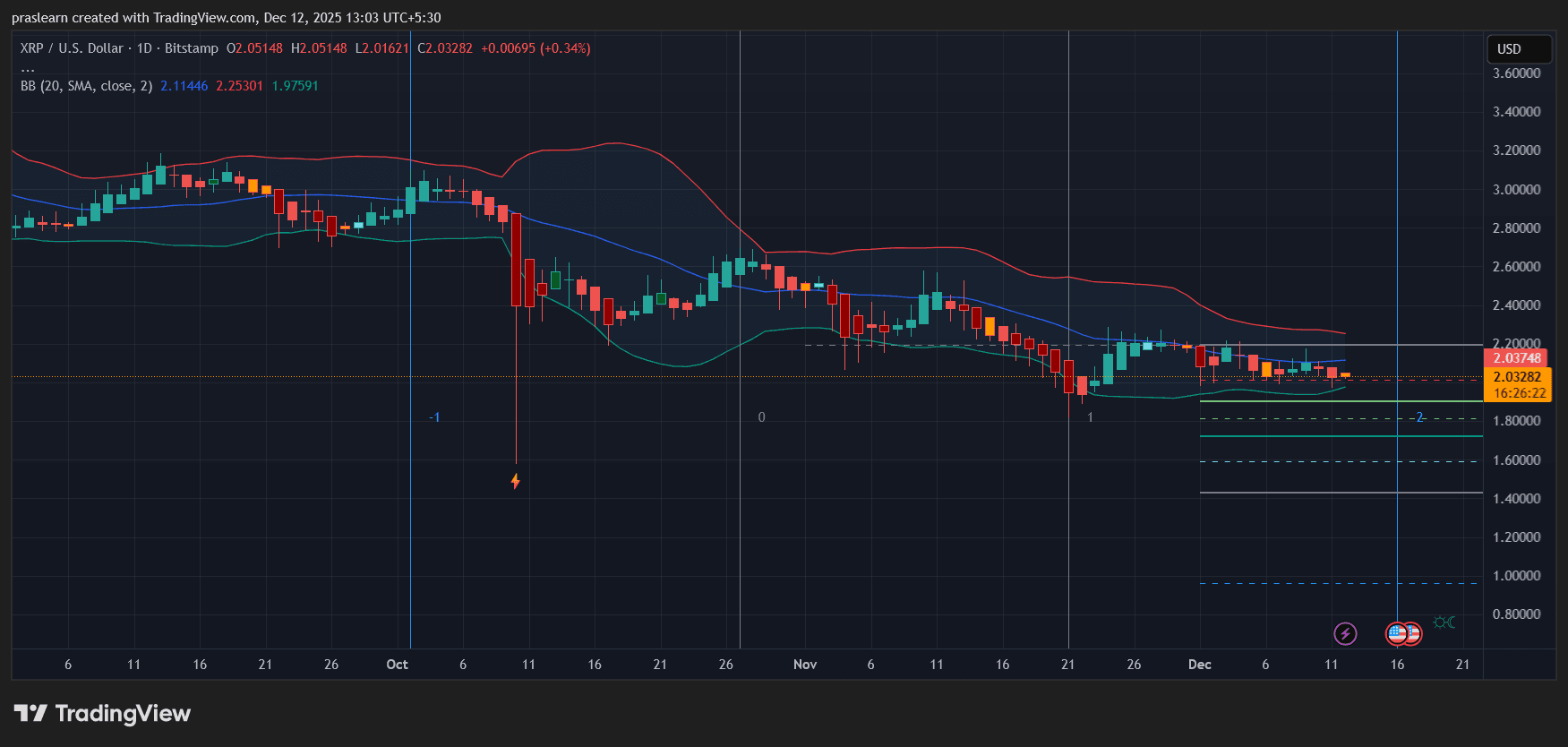
Will Fed Uncertainty Cap XRP’s Upside in 2026?
They already knew the TGA Game of the Year in advance, earning tens of thousands of dollars.
Violating history, yet persisting.

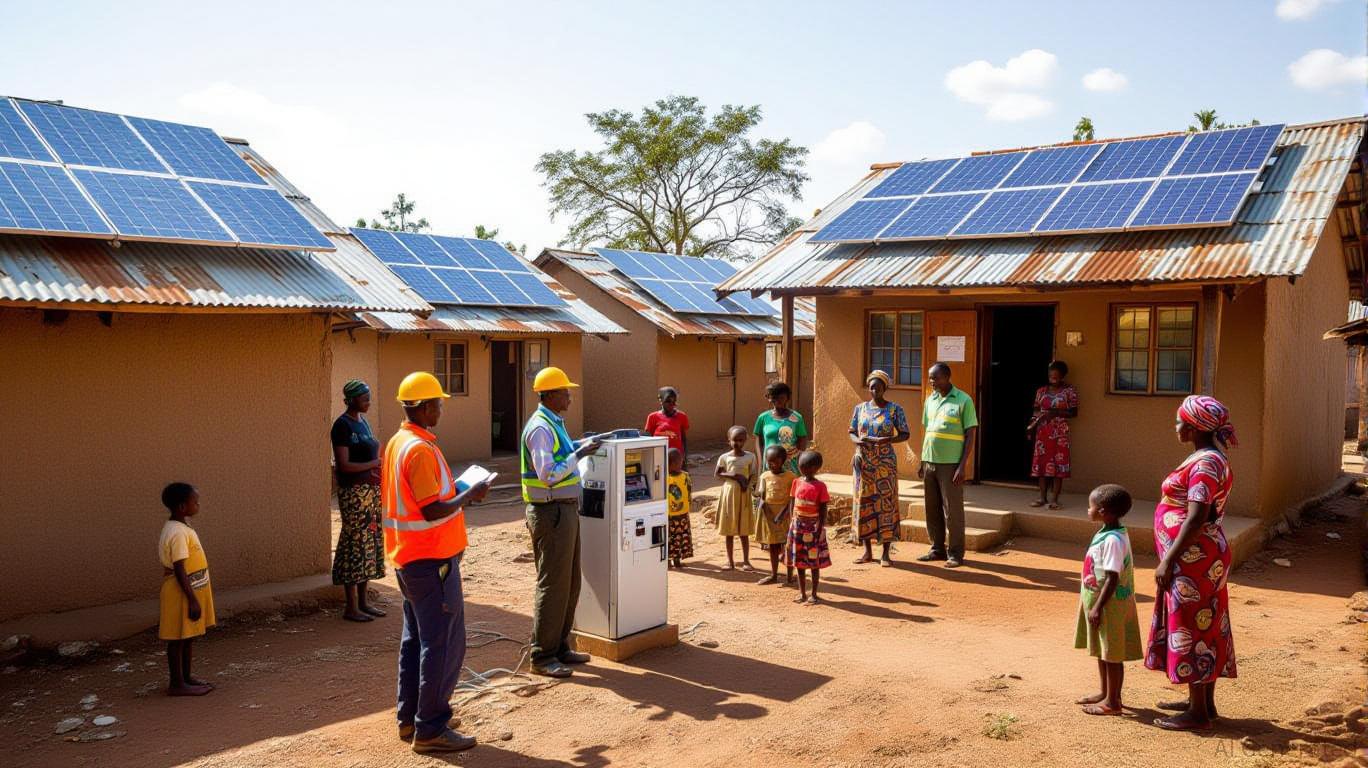
The Convergence of Social Justice and Renewable Energy Implementation in Developing Economies
- IEA data shows emerging markets need $45B/year by 2030 to achieve universal clean energy access, with Africa and Asia facing the greatest demand. - Renewable projects in low-income regions demonstrate nonlinear ESG impacts, with solar microgrids directly reducing energy poverty for 600M+ Africans. - PIDG's $27M guarantees mobilized $270M in African renewables, proving blended finance models can de-risk investments while creating 200-300MW capacity. - Kenya's M-KOPA and Indonesia's JETP showcase scalable
Trending news
MoreCrypto prices
More





