
Upcoming $190M Token Unlocks Could Influence Market Volatility
- Scheduled token unlocks include Aptos, Linea, and Aethir.
- Events involve over $190 million in planned releases.
- Potential short-term price volatility expected in the market.
Major token unlocks exceeding $100 million, spearheaded by Aptos and Linea, are scheduled next week, risking short-term price declines. Aptos expects $28–$61 million released, and Linea anticipates $29–$35 million, affecting liquidity and volatility.
These token unlocks could lead to significant short-term market reactions, influencing asset prices and liquidity.
The upcoming token unlocks for Aptos, Linea, and Aethir are valued between $29 million to $68 million each. The collective value exceeds $100 million, with emerging tokens potentially increasing supply and affecting market dynamics.
Aptos, developed by former Facebook team members Mo Shaikh and Avery Ching, will see $28 to $61 million unlocked. Linea, from ConsenSys, involves $29 to $35 million, while Aethir anticipates a $68 million release. Market participants expect high volatility.
Token unlocks often precede increased trading as newly available tokens are moved into exchanges, possibly prompting short-term selling pressure.
Concerns exist over volatility due to recent lower trading volumes on exchanges.
Analysts predict these unlock events could lead to significant financial adjustments, with historical data indicating potential short-term price deterioration. The unlocking could shift liquidity, influencing market stability and DeFi activity.
DeFi protocols are anticipated to experience increased activities , signaling possible temporary volatility spikes, impacting trading behaviors during the coming week.
Disclaimer: The content of this article solely reflects the author's opinion and does not represent the platform in any capacity. This article is not intended to serve as a reference for making investment decisions.
You may also like
BCH sees a 32.36% increase over the past year as the network undergoes upgrades and mining adjustments
- Bitcoin Cash (BCH) surged 32.36% in a year due to network upgrades, mining shifts, and positive market sentiment. - Price hit $574.7 on Dec 5, 2025, with 6.34% 30-day and 0.03% 24-hour gains. - 2024 protocol upgrade boosted transaction throughput, fees, and real-world payment adoption. - Mining pools shifted hashrate to BCH, enhancing security and decentralization. - Institutional support and fixed supply model drive BCH’s appeal as a scalable payment alternative.

ZEC Rises 11.19% in the Past 24 Hours Amid Increasing Average Short Positions
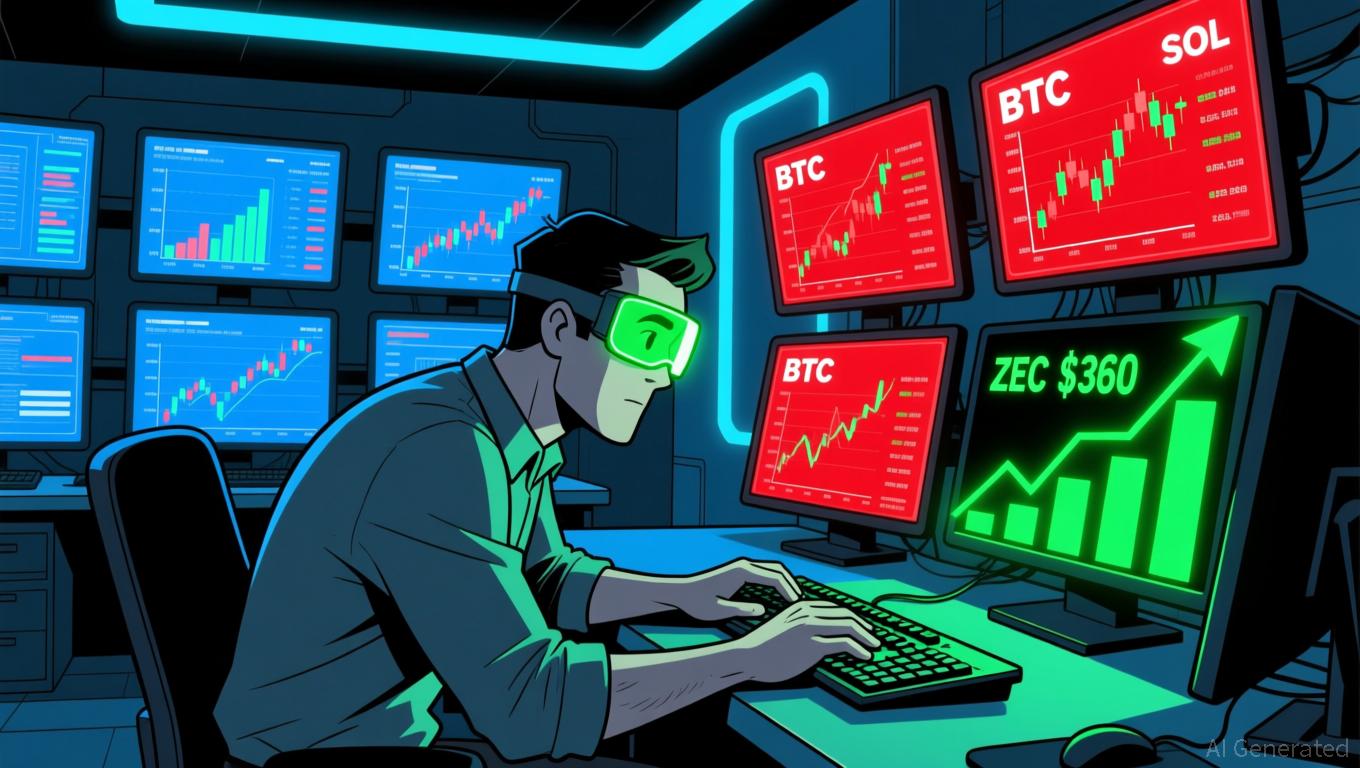
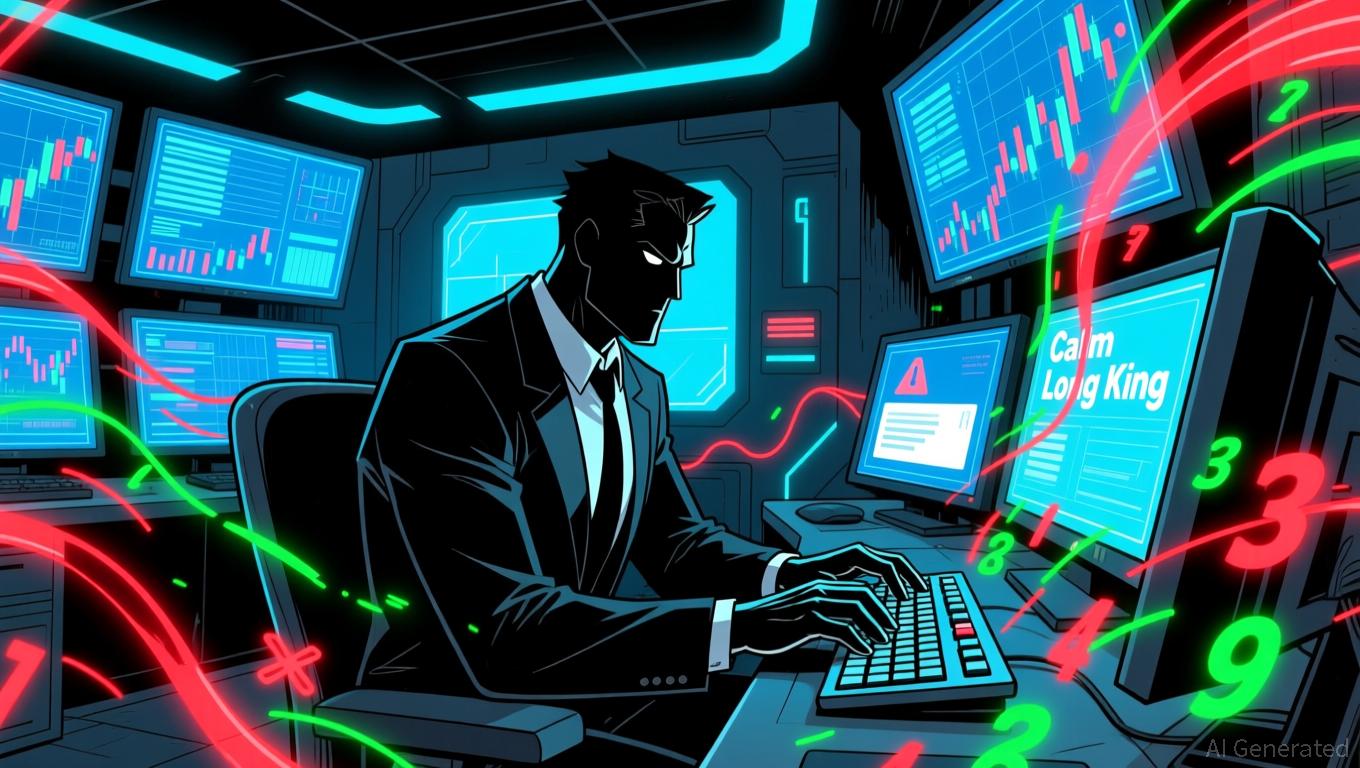
- Zcash (ZEC) rose 11.19% in 24 hours to $395.27 but fell 4.99% weekly/monthly amid mixed performance. - "Calm Long King" trader increased ZEC short positions to $2.51M, raising average entry price to $360 with 20% unrealized gains. - ZEC shorting reflects cautious optimism as traders adjust exposure amid volatility, with BTC/SOL shorts showing $160k combined losses. - The trader's recent 15-trade winning streak contrasts November setbacks, highlighting shifting market dynamics in altcoin trading.
ZEC Value Rises 5.73% as Short Sellers Adjust Positions During Market Fluctuations
- ZEC surged 5.73% in 24 hours to $385.59, defying 9.19% weekly/monthly declines but rising 590.63% annually amid market turbulence. - "Calm Long King" trader increased ZEC short positions to $2.51M (10x leverage) with a $20K unrealized gain, contrasting losses in BTC and SOL shorts. - The trader's $17.29M ZEC short exposure reflects volatile market dynamics, with leveraged positions showing mixed gains/losses as crypto prices swing sharply. - ZEC's 24-hour rebound highlights risks for short sellers in a m
ZEC Rises 4.77% Amid Increased Short Positions and Market Rebound
- ZEC surged 4.77% in 24 hours to $386.31, with a 584.4% annual gain despite recent declines. - A prominent trader increased ZEC short positions to $17.29M, showing a $20k gain but larger losses in BTC and SOL. - Market recovery and short-position adjustments highlight ZEC’s volatility, with analysts warning of potential downward pressure if prices rise further.
Trending news
MoreCrypto prices
More





