
BNY and Securitize Transform Credit Assets into Tokens, Unlocking Access to $18.9 Trillion Market
- Securitize and BNY launch STAC, a tokenized AAA CLO fund on Ethereum, leveraging tokenized real-world assets (RWAs) to enhance liquidity and settlement efficiency. - Grove commits $100M as anchor investor, aligning with market forecasts of $18.9T RWA tokenization growth by 2033, driven by blockchain-enabled fractional ownership. - BNY's custody role reflects traditional finance's blockchain pivot, following prior tokenized fund initiatives like BlackRock's BUIDL and expanding institutional access to cred
Securitize, a prominent player in the tokenization space, has introduced the Securitize Tokenized AAA CLO Fund (STAC) on the
Grove, a DeFi protocol focused on capital allocation, has pledged $100 million as a lead investor, subject to governance approval. This step reflects broader industry forecasts: Boston Consulting Group and Ripple predict the RWA tokenization sector could grow from $35 billion currently to $18.9 trillion by 2033. Traditionally, CLOs—which package corporate loans into tranches based on risk—have been difficult to trade and slow to settle. By tokenizing these assets, it becomes possible to offer fractional ownership and quicker on-chain transactions, helping to solve long-standing barriers to access.
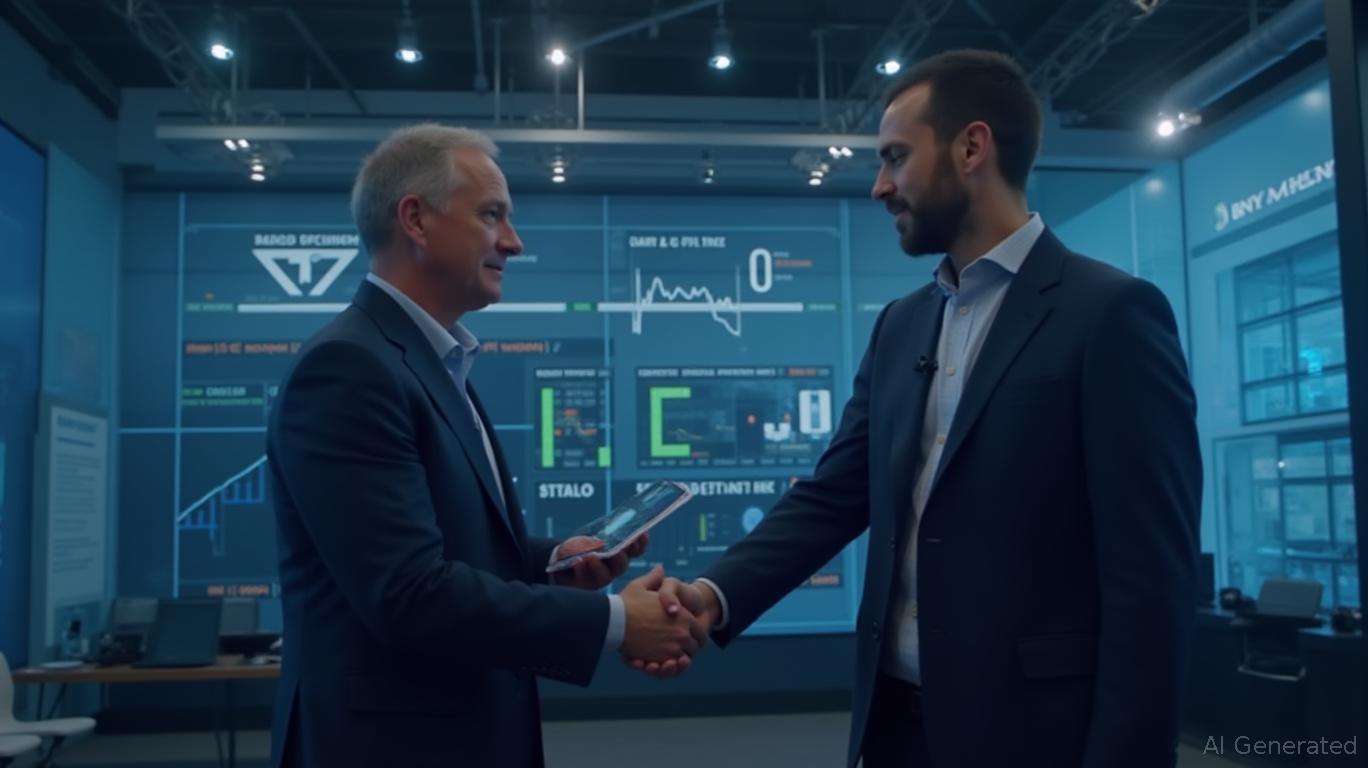
BNY's participation highlights the bank's strategic shift toward blockchain technology. "Tokenization is an excellent method to broaden access to top-tier credit through a transparent and efficient vehicle," stated Jose Minaya, global head of BNY Investments and Wealth. This collaboration builds on BNY's previous involvement in tokenizing money-market funds, such as BlackRock's BUIDL, and signals a wider movement among established financial institutions to leverage blockchain for asset management, according to a
At the same time, Securitize is pushing forward with its plans for public markets. The company has filed to become publicly traded through a $1.25 billion SPAC merger with Cantor Fitzgerald, seeking to be the first fully tokenization-focused firm listed in the U.S., as reported by
The firm has already tokenized $4.5 billion in assets, including BlackRock's BUIDL fund, and sees a $19 trillion potential in tokenizing stocks, bonds, and alternative assets. By offering integrated services such as transfer agency and fund administration, Securitize is establishing itself as a key infrastructure provider for the growing RWA market.
As tokenization continues to evolve, STAC and similar projects could transform institutional investment by connecting traditional credit markets with the programmable features of blockchain. The collaboration between BNY's custodial know-how and Securitize's technical strengths underscores the increasing intersection of conventional finance and decentralized technology.
Disclaimer: The content of this article solely reflects the author's opinion and does not represent the platform in any capacity. This article is not intended to serve as a reference for making investment decisions.
You may also like
The Impact of New Financial Crises on Technology-Based Asset Classes: Systemic Threats and Hedging Strategies in AI and Blockchain Investment
- AI and blockchain reshape finance but introduce systemic risks like synchronized market crashes. - 2025 Bank of England study warns AI-driven strategies using shared data could trigger cascading liquidity crises. - Blockchain offers resilience via DeFi platforms but crypto volatility creates feedback loops in traditional banking. - Strategic hedging combines AI dynamic portfolios (12% 2024 outperformance) with NIST/EU regulatory frameworks to mitigate risks. - Future stability requires balancing AI innov

New Prospects in Security Technology and Advancements in Cybersecurity
- Post-cyberwarfare era demands AI-integrated defense-grade security as cyber threats evolve, with AI cybersecurity market projected to grow from $22.4B (2023) to $136.18B by 2032 at 24.81% CAGR. - Key drivers include cloud/IoT expansion, regulatory mandates (e.g., U.S. NSF privacy research), and institutional innovation like federal talent programs and startup collaborations. - Real-world applications show AI mitigating ransomware (Darktrace) and zero-day attacks (Cylance), while military operations lever

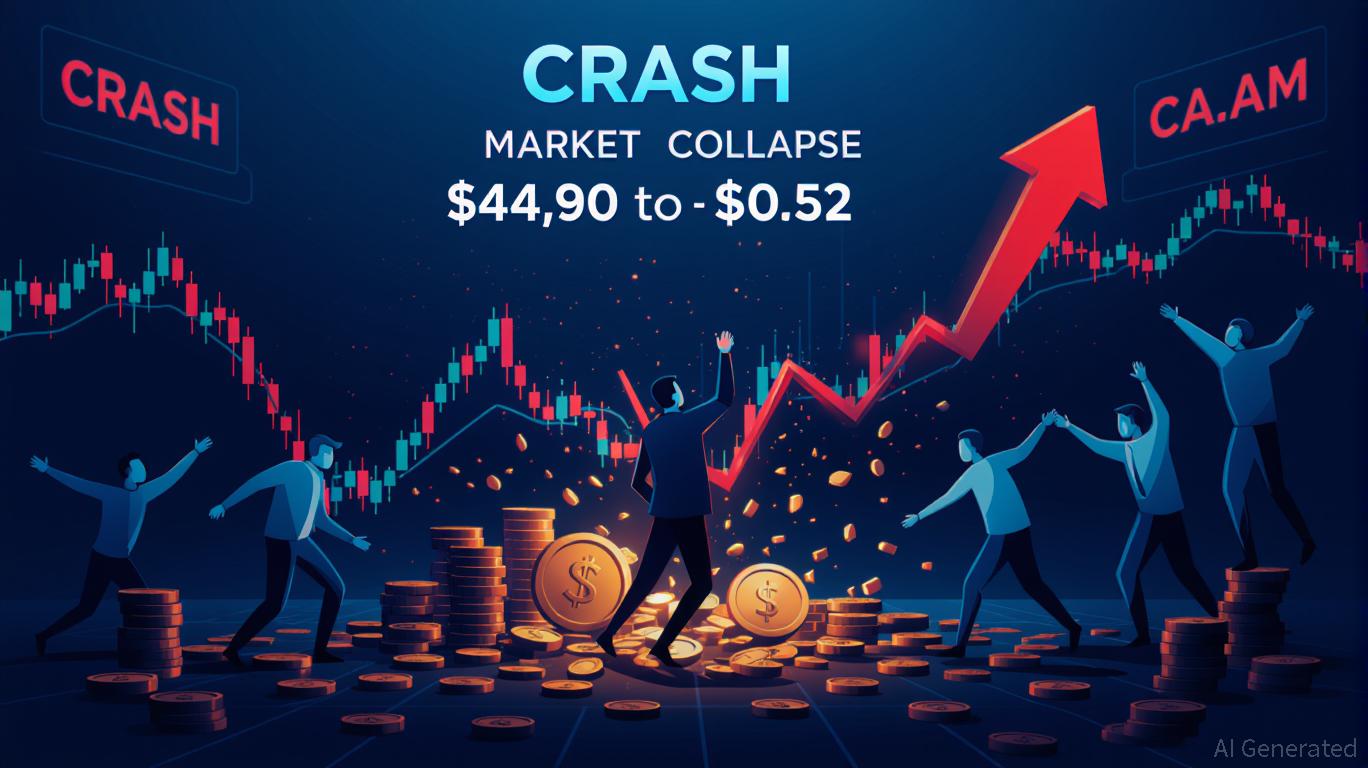
COAI Experiences Significant Price Decline and the Enduring Insights for Investors Focused on the Long Term
- ChainOpera AI (COAI) collapsed from $44.90 to $0.52 in late 2025 due to market shifts, structural flaws, and regulatory uncertainty. - COAI's 88% supply concentration and 60 manipulative wallets exacerbated liquidity crises amid sector-wide AI token outflows to meme coins. - Regulatory pressures (GENIUS Act, FSB) and algorithmic stablecoin collapses (xUSD, deUSD) deepened distrust in DeFi, compounding COAI's decline. - Long-term investors may find opportunities in COAI's collapse by applying margin of sa
Assessing How the TGE of MMT Token Influences the Cryptocurrency Ecosystem
- Momentum Finance's MMT token TGE on Sui blockchain highlights innovative DeFi tokenomics with 42.72% community allocation and ve(3,3) governance model. - Post-TGE volatility (4,000% surge followed by 70% correction) reflects market dynamics, but technical indicators and buybacks suggest long-term resilience. - MMT's $250-350M FDV target and Sui integration demonstrate strategic benchmarks, offering lessons for balancing innovation, sustainability, and institutional trust in emerging blockchain projects.

Trending news
MoreCrypto prices
More





