
India Strikes a Balance Between Crypto Oversight and AI-Powered Progress at Blockchain Summit
- India Blockchain Month 2025 in New Delhi focused on Web3 innovation, regulatory dialogue, and AI integration, uniting 250+ partners including Web3 communities and media. - Regulatory discussions highlighted India's revised crypto framework, including 1% TDS rules and VDA token classifications, alongside RBI's Blockchain Sandbox 2.0 for compliant DeFi pilots. - AI adoption in India reached 30% in 2025, driven by government initiatives like AIforAll and Digital India, with blockchain-AI convergence emphasi
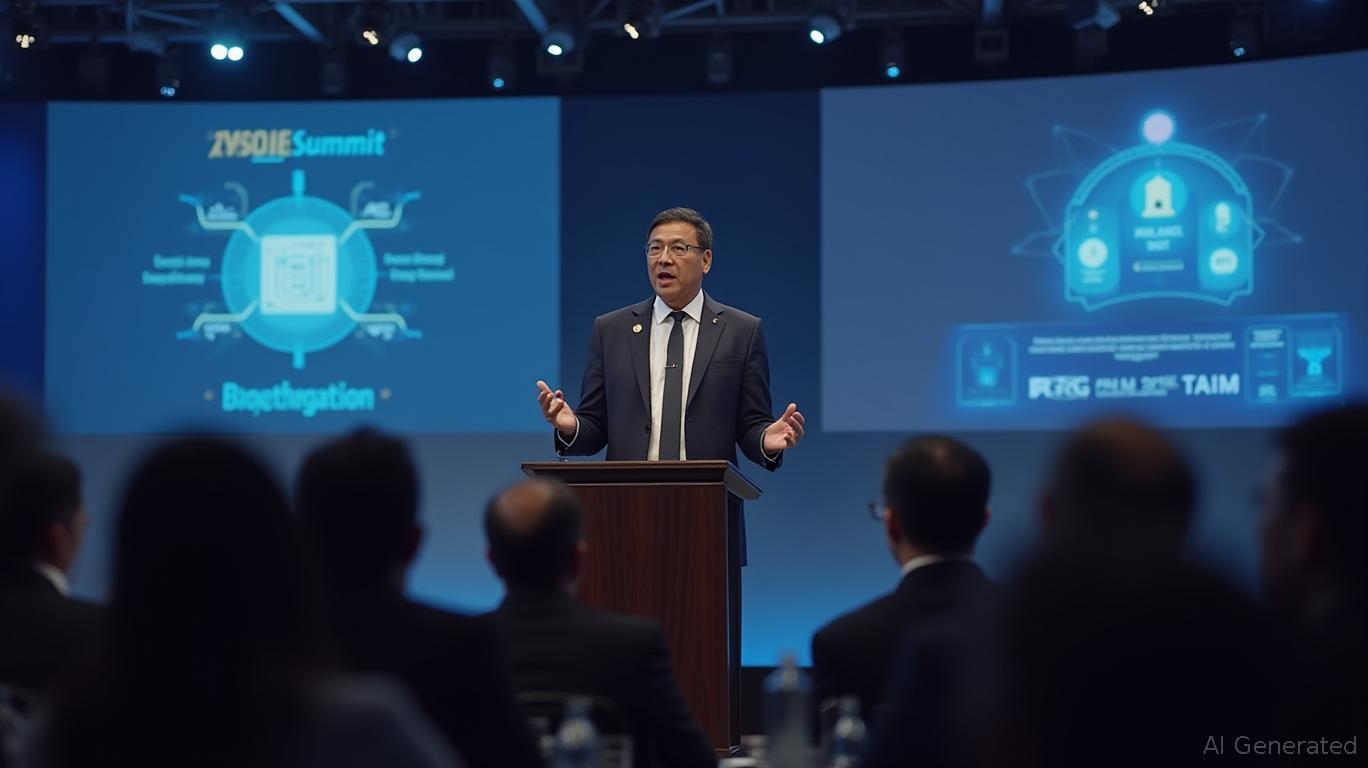
India Blockchain Month (INBM) 2025, hosted in New Delhi from September 25 to 26, has established itself as a major platform for advancing Web3 technologies, regulatory discussions, and the integration of artificial intelligence. Organized by BlockOn Ventures and Web3preneur, this two-day event brought together more than 250 partners, including over 100 Web3 communities and 100 media organizations, to strengthen India’s role in the worldwide digital asset sector. Coinciding with ETHGlobal Delhi Week, the summit became a focal point for developers, regulators, and investors to tackle pressing issues and opportunities in blockchain and AI.
A highlight of INBM 2025 was the “Regulatory Roundtable,” where industry experts and government officials gathered to examine the country’s shifting crypto regulations. The talks reflected recent policy changes, such as the updated 1% Tax Deducted at Source (TDS) regulation, which now offers a ₹50,000 yearly exemption for smaller investors, and the categorization of
The summit also showcased India’s rapid adoption of AI, which climbed to 30% in 2025—outpacing the global average of 26%. This surge is fueled by government programs like NITI Aayog’s AIforAll initiative and the Digital India campaign, both of which emphasize integrating AI into sectors such as healthcare, education, and urban development. According to the BCG 2025 Global AI Adoption Report, India’s private sector is at the forefront of applying AI to practical scenarios. At INBM, the intersection of AI and blockchain was a recurring topic, with presenters highlighting how decentralized systems can strengthen data ownership and trust in AI-powered solutions.
Keynote speakers from the industry stressed the importance of clear regulations. Dilip Chenoy, Chairman of the Bharat Web3 Association, called for a regulatory approach that encourages innovation to draw international investment and expertise. Raj Kapoor from the India Blockchain Alliance also emphasized the need to balance regulation with adaptability to ensure innovation isn’t hindered. The roundtable further discussed the upcoming Digital Asset Basic Act, which is expected to establish a thorough legal framework for crypto assets in 2025.
Beyond regulatory matters, the summit addressed the tokenization of Real-World Assets (RWAs). With India’s robust digital infrastructure—demonstrated by UPI’s 4.5 billion monthly transactions—serving as a backbone for Web3 growth, participants explored how blockchain could transform asset management in industries like real estate and supply chains. The focus on community-led innovation highlighted India’s distinctive environment, where grassroots initiatives and institutional backing work hand in hand.
India Blockchain Month 2025 wrapped up with a strong appeal for all stakeholders to work together in crafting a regulatory landscape that matches India’s tech aspirations. As the nation navigates the convergence of AI, blockchain, and policy, the event underscored India’s potential to lead in decentralized technology. With more than 250 partners and a shared vision for the country’s digital progress, INBM 2025 laid the groundwork for ongoing advancement in the Web3 and AI arenas.
Disclaimer: The content of this article solely reflects the author's opinion and does not represent the platform in any capacity. This article is not intended to serve as a reference for making investment decisions.
You may also like
Privacy Coins and Market Fluctuations: Uncovering the Factors Behind ZEC's Latest Price Jump
- Zcash (ZEC) surged 700% in late 2025 driven by institutional backing and network upgrades like the Zashi wallet. - Regulatory pressures and market fragmentation intensified as exchanges delisted privacy coins and liquidity shifted to decentralized platforms. - ZEC's volatility reflects macroeconomic tailwinds and speculative demand, but its long-term viability hinges on balancing privacy with regulatory compliance. - Institutional adoption of privacy coins accelerated in 2025, yet fragmented markets and

Why Dash (DASH) Is Soaring as Institutions Embrace It and Privacy Concerns Fuel Demand
- Dash (DASH) surged 150% in June 2025, driven by institutional adoption and privacy-focused demand. - Institutional ownership reached 90.64% after AGF Management's $7.79M investment and DoorDash's $450M partnership. - Dash Platform 2.0 enhanced scalability while PrivateSend usage grew 25% YoY amid rising privacy needs. - Regulatory challenges persist under EU MiCA and SEC scrutiny, prompting multi-jurisdictional compliance strategies. - DeFi integration and Latin American adoption expanded DASH's utility
ZK Atlas Upgrade: Pioneering the Future of Blockchain Infrastructure for Enhanced DeFi Scalability
- ZKsync's 2025 Atlas Upgrade revolutionizes DeFi scalability via zero-knowledge rollups, boosting transaction throughput to 43,000 TPS and slashing costs to $0.0001 per transfer. - Modular architecture with Atlas Sequencer and Airbender Prover enables real-time execution, while zkSync OS supports EVM/WASM compatibility and cross-chain liquidity unification. - Post-upgrade DeFi metrics show 300% transaction volume growth and $0.28–$1.32 ZK token price projections, positioning ZKsync as a key Layer 2 infras

Bloomberg: Power Theft Exceeds $1 Billion as Malaysia Bitcoin Mining Rigs Overwhelm
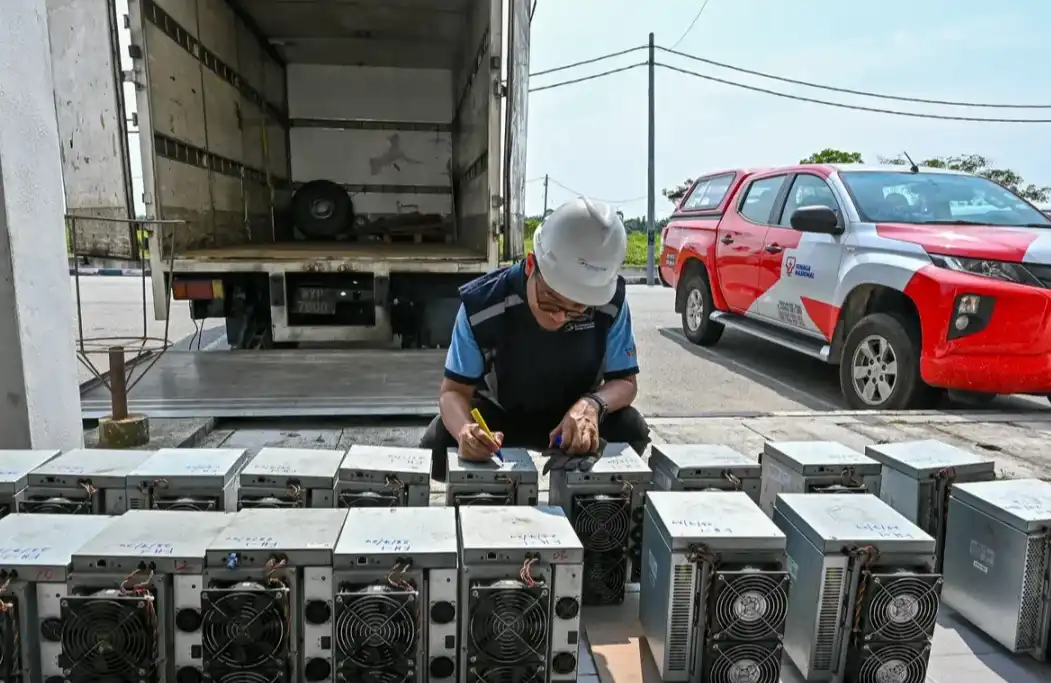
Malaysia has uncovered approximately 14,000 illegal cryptocurrency mining sites in the past five years, causing the state-owned power company losses of over $1.1 billion. In response, the local government established a special committee in November 2025 to consider a total ban on mining,
Trending news
MoreCrypto prices
More





