
South Korea Targets Pro-BTC Laws by Year-End

In South Korea, Bitcoin is recognized as one of the significant investment instruments officially. It belongs to the pro-crypto push of President Lee Jae-myung who is gaining momentum since he assumed office in June 2025. The government itself had only one week prior to this, removed its ban on crypto companies that wished to enjoy venture business status, which grants them tax exemption and access to state-provided financial support.
Laws Expected Before 2025 Ends
According to the government, it is aspiring to have pro-Bitcoin legislation by December 31, 2025. Even though the time schedule is ambitious, no impossible. With about 98 days to the end-year, the lawmakers can flex the ear over the pre-cooked bills or use emergency sittings to pass laws. Hopefully, the new pro-BTC law will provide more appropriate specifications on custody, trading, taxation, as well as protection of the investor.
Reactions and Adoption
The announcement immediately brought about the market activity in the locality. The trading volumes have grown over a quarter in the previous week at exchanges like Upbit and Bithumb. Bitcoin has also recovered, gaining approximately 15 per cent. to trade at an approximate of $68,000 as of September 24, 2025. There are also pro-BTC laws which are effective. As analysts say, it can enact as early as the year-end. The prices will test of the mark of $80,000. The Kimchi Premium the previous situation of BTC being traded at a high price in South Korea compared to other regions of the world can potentially rise again when the domestic demand revives.
South Korea is effectively giving Bitcoin credibility within the conventional finance by assigning it the same classification with stocks and bonds. This opens the door for:
- Controlled ETFs of Bitcoin by the Financial Services Commission.
- Tax relief on some BTC-related factor.
- Capital inflows in form of institutional capital inflows become more transparent.
- It is a reflection of the move by Japan in 2017 to legalize crypto as a legal tender – but goes beyond that by considering Bitcoin as a financial asset, not a payment type, in the long term.
Disclaimer: The content of this article solely reflects the author's opinion and does not represent the platform in any capacity. This article is not intended to serve as a reference for making investment decisions.
You may also like
The ZK Transformation: Evaluating How Zero-Knowledge Technology Influences the Future Development of Blockchain
- ZK-rollups scale blockchain networks by bundling transactions, achieving 43,000 TPS and 30% lower gas fees, attracting institutions like Goldman Sachs and JPMorgan . - ZK technology resolves privacy-scalability paradox by enabling verifiable transactions without data exposure, adopted by EU regulators and enterprises like Nike and Sony . - Challenges persist: ZK-SNARKs require heavy computation, trusted setup risks exist, and privacy conflicts with AML regulations in some jurisdictions. - $725M+ VC inves

The Influence of Vitalik Buterin's Support for ZKsync on the Advancement of Scalable Blockchain Technologies: Evaluating the Prospects for Long-Term Investment in Pr
- Vitalik Buterin's 2025 endorsement of ZKsync accelerated its rise as a scalable Ethereum Layer-2 solution with 30,000 TPS and $3.3B TVL. - ZKsync's EVM compatibility and institutional partnerships contrast with StarkNet's quantum-resistant STARK proofs and Aztec's privacy-first architecture. - Analysts project ZK token prices at $0.40–$0.60 by 2025, while StarkNet faces adoption barriers and Aztec navigates regulatory challenges in privacy-focused DeFi. - The $7.59B ZKP market (2033 forecast) hinges on b
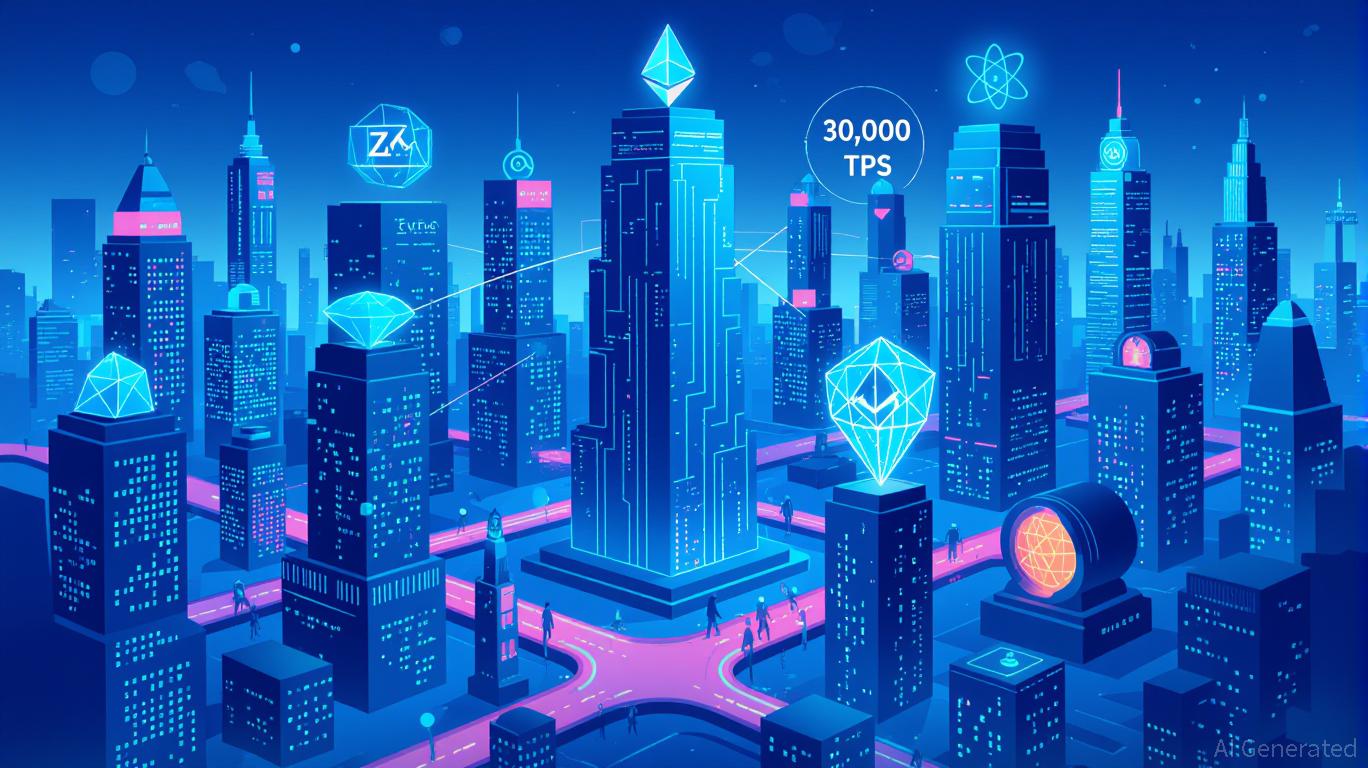
ZK Atlas Enhancement: Transforming Blockchain Scalability and Paving the Way for Institutional Integration
- ZKsync’s 2025 Atlas Upgrade achieves 15,000–43,000 TPS with $0.0001/transaction costs, boosting blockchain scalability for institutions. - Deutsche Bank , Sony , and Citi adopt ZKsync for tokenized assets and privacy-driven transactions, citing compliance and efficiency gains. - Market forecasts predict 60.7% CAGR for ZK Layer-2 solutions through 2031, with Fusaka upgrade targeting 30,000 TPS to solidify ZKsync’s leadership.
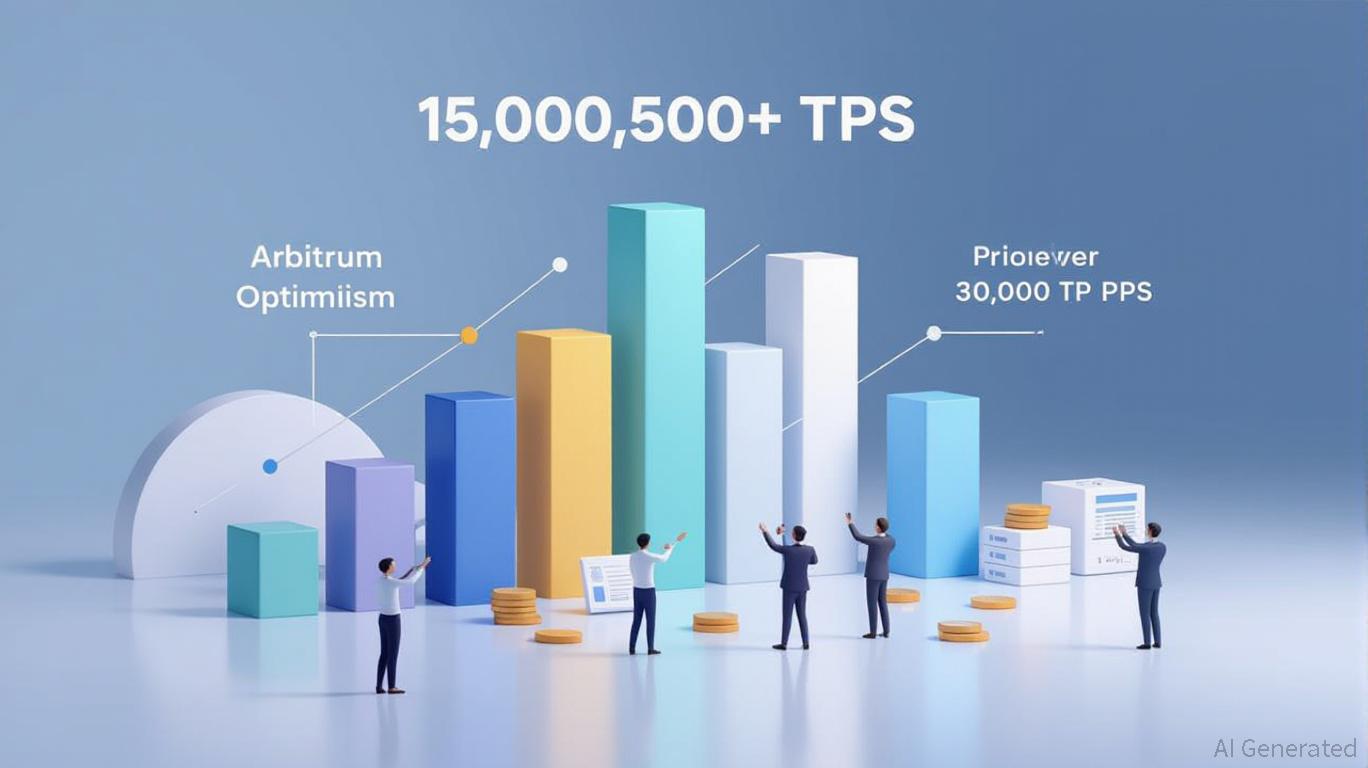
Hinge’s latest AI tool assists singles in skipping dull introductory conversations

Trending news
MoreCrypto prices
More





