
SUI Group’s treasury climbs to $344m after fresh 20m token addition

SUI Group Holdings has cemented its status as a titan within the Sui ecosystem. Its recent acquisition of 20 million tokens brings its total stash to over $344 million, making it a dominant force in the token’s economy.
- SUI Group Holdings added 20 million SUI tokens, lifting its treasury to 101.8 million, valued at $344 million.
- The Nasdaq-listed firm trades under SUIG and has exclusive access to discounted SUI via the Sui Foundation.
- SUI rose over 4% following the announcement, trading between $3.25 and $3.40.
According to a press release dated September 3, the Minnesota-based company, which trades on the Nasdaq under the ticker SUIG, systematically added another 20 million Sui ( SUI ) tokens to its coffers.
The accumulation, executed under a unique arrangement with the Sui Foundation, pushes its total holdings to 101.8 million SUI, valued at over $344 million at current market rates. Chief Investment Officer Stephen Mackintosh said the move underscores the firm’s “conviction in the transformative potential of the SUI blockchain,” adding that it plans to continue seeking “accretive capital raises” to fund further purchases.
The strategy behind the SUI accumulation
SUI Group’s official relationship with the Sui Foundation grants it exclusive access to purchase discounted, locked SUI tokens directly from the source, unlocking a significant cost-basis advantage over the open market.
By maintaining substantial liquidity, approximately $58 million, according to the release, the firm positions itself to continue acquiring discounted locked tokens, a strategy designed to scale its treasury while optimizing value for shareholders.
To leverage its massive position, the company is not passively holding. The treasury update confirms that substantially all of the 101.8 million SUI is being actively staked on the network. This generates an estimated 2.2% annual yield, which currently translates to roughly $20,000 in daily staking rewards, SUI Group said.
For shareholders, the company has introduced a crucial metric dubbed SUI per share. As of September 2, that figure stands at 1.14. This is calculated by dividing the total treasury of 101.8 million SUI by the fully adjusted share count of 89.1 million common shares outstanding.
The metric provides a transparent measure of value, showing exactly how much of the underlying asset each share of SUIG stock represents. The increase from 0.92 SUI per share just weeks prior demonstrates the strategy’s immediate impact in concentrating asset ownership for each shareholder.
Following the announcement, SUI traded up more than 4%, rising from a daily low of $3.25 to as high as $3.40, though it remains well below its January peak of $5.35.
Disclaimer: The content of this article solely reflects the author's opinion and does not represent the platform in any capacity. This article is not intended to serve as a reference for making investment decisions.
You may also like
Mars Morning News | The crypto market rebounds across the board, Bitcoin rises above $94,500; The "CLARITY Act" draft is expected to be released this week
The crypto market has fully rebounded, with bitcoin surpassing $94,500 and US crypto-related stocks rising across the board. The US Congress is advancing the CLARITY Act to regulate cryptocurrencies. The SEC chairman stated that many ICOs are not securities transactions. Whales are holding a large number of profitable ETH long positions. Summary generated by Mars AI. The accuracy and completeness of the content generated by the Mars AI model is still being iteratively updated.

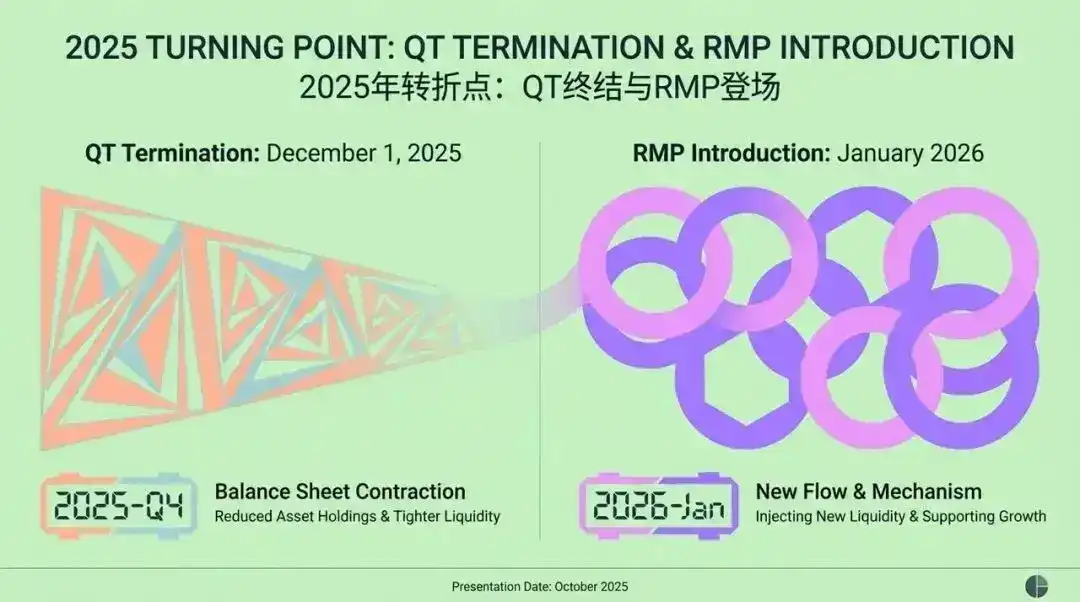
Federal Reserve’s Major Shift: From QT to RMP, How Will the Market Transform by 2026?
The article discusses the background, mechanism, and impact on financial markets of the Federal Reserve's introduction of the Reserve Management Purchases (RMP) strategy after ending Quantitative Tightening (QT) in 2025. RMP is regarded as a technical operation aimed at maintaining liquidity in the financial system, but the market interprets it as a covert easing policy. The article analyzes RMP's potential effects on risk assets, the regulatory framework, and fiscal policy, and provides strategic recommendations for institutional investors. Summary generated by Mars AI This summary was generated by the Mars AI model, and the accuracy and completeness of its content are still in the process of iterative improvement.
Rate Hike in Japan: Will Bitcoin Resist Better Than Expected?

Crucial Decision: Trump’s Final Interviews for Federal Reserve Chair Could Reshape Markets
Trending news
MoreCrypto prices
More





