
The Legal and Competitive Risks Facing AI Startups: A Case Study of Eliza Labs vs. xAI
- Eliza Labs sued X Corp. (xAI) for antitrust violations, alleging monopolistic tactics to suppress open-source AI competition. - The case highlights AI sector tensions between platform dominance and innovation, with Big Tech leveraging infrastructure to replicate startups' ideas. - Regulatory scrutiny and market consolidation raise valuation risks for AI startups, as 64% of 2025 U.S. VC funding concentrated in eight firms. - Investors must balance innovation potential with legal/competitive risks, priorit
The AI sector is undergoing a seismic shift as antitrust lawsuits and market consolidation redefine the competitive landscape. The recent legal battle between Eliza Labs and Elon Musk’s xAI exemplifies the growing tensions between open-source innovation and platform dominance. For investors, this case study underscores the critical need to assess legal and competitive risks in a sector where monopolistic practices and regulatory scrutiny are reshaping valuations and market dynamics.
The Eliza Labs vs. xAI Dispute: A Microcosm of AI Sector Tensions
Eliza Labs, a startup focused on open-source AI agent development, filed a federal antitrust lawsuit against X Corp. (parent company of xAI) in August 2025, alleging that the platform engaged in monopolistic behavior to suppress competition. The lawsuit claims X initially collaborated with Eliza but later demanded a $600,000 annual enterprise license, deplatformed the company, and launched competing AI features like 3D avatars and voice integration under the xAI brand. This case highlights a broader pattern: dominant platforms leveraging their social media and cloud infrastructure dominance to extract intellectual property from startups while replicating their innovations.
The implications for investors are stark. If Eliza’s claims hold, it signals that even well-funded startups can be vulnerable to exclusionary tactics by tech giants. The lawsuit also raises questions about the enforceability of antitrust laws in AI ecosystems, where platform immunity under Section 230 of the Communications Decency Act complicates legal remedies.
Regulatory and Market Consolidation: A Double-Edged Sword
The AI sector’s consolidation is accelerating as Big Tech firms integrate startups through partnerships, acquihires, or licensing deals. For example, Microsoft’s acquisition of Inflection AI’s team and Google’s quasi-mergers with startups like Character have drawn regulatory scrutiny for circumventing merger laws while stifling competition. These strategies create barriers to entry for independent startups, forcing them to either align with hyperscalers or risk marginalization.
Regulatory frameworks like the EU’s Digital Markets Act (DMA) and the U.S. Preventing Algorithmic Collusion Act aim to counteract these trends by mandating data sharing and interoperability. However, compliance with these rules adds operational complexity for startups, which must navigate shifting legal boundaries while competing with well-resourced incumbents.
Valuation Risks and Investment Implications
The antitrust landscape directly impacts AI startup valuations. In 2025, 64% of U.S. venture capital flowed into AI, but this funding is concentrated in just eight companies, raising concerns about overvaluation. OpenAI’s $300 billion valuation, despite no profitability, exemplifies the speculative nature of current investments. If antitrust enforcement limits access to critical infrastructure (e.g., cloud computing, data), startups may struggle to scale, leading to valuation corrections.
Investors must also consider the geopolitical dimension. While U.S. antitrust enforcement tightens, Chinese state-backed initiatives like Alibaba Cloud are expanding globally, offering alternative ecosystems for AI startups. Diversifying portfolios across regions and regulatory environments could mitigate risks tied to localized market shifts.
Strategic Recommendations for Investors
- Prioritize Compliance-Ready Startups: Firms adopting open-weight models and non-controlling partnerships are better positioned to thrive under regulatory scrutiny.
- Diversify Across Ecosystems: Avoid overreliance on hyperscaler partnerships, which can lock startups into exclusive arrangements and limit their disruptive potential.
- Monitor Legal Precedents: The outcome of Eliza Labs’ lawsuit and similar cases will shape antitrust enforcement in AI, influencing market access and competitive fairness.
The Eliza Labs vs. xAI case is not an isolated incident but a harbinger of the challenges facing AI startups in a rapidly consolidating sector. For investors, the key to navigating this landscape lies in balancing innovation potential with a rigorous assessment of legal, regulatory, and competitive risks.
Source:
[1] Musk's X hit with antitrust lawsuit by software startup Eliza Labs
[2] AI agent platform Eliza Labs founder sues Elon Musk's X
[3] Are Big Tech's Quasi-Mergers With AI Startups Anticompetitive?
[4] AI trends for 2025: Competition and antitrust
[5] The Future of AI Investment in a Consolidating Ecosystem
[6] Is the AI Boom a Bubble? Market Analysts Debate
[7] AI and Algorithmic Pricing: 2025 Antitrust Outlook
[8] Antitrust Risks and Market Power in the AI Ecosystem
Disclaimer: The content of this article solely reflects the author's opinion and does not represent the platform in any capacity. This article is not intended to serve as a reference for making investment decisions.
You may also like
Stablecoin Legislation Booms Globally, Why Is China Taking the Opposite Approach? An Article to Understand the Real National Strategic Choices
Amid the global surge in stablecoin legislation, China has chosen to firmly curb stablecoins and other virtual currencies, while accelerating the development of the digital yuan to safeguard national security and monetary sovereignty. Summary generated by Mars AI. This summary is produced by the Mars AI model and its accuracy and completeness are still being iteratively improved.

Liquidity migration begins! Japan becomes the Fed's "reservoir," 120 billions in carry trade returns set to ignite the December crypto market
The Federal Reserve has stopped quantitative tightening and may cut interest rates, while the Bank of Japan plans to raise rates, changing the global liquidity landscape and impacting carry trades and asset pricing. Summary generated by Mars AI. This summary is produced by the Mars AI model, and the accuracy and completeness of its content are still under iterative improvement.

Weekly Hot Picks: Bank of Japan Sends Strongest Rate Hike Signal! Is the Copper Market Entering a Supercycle Rehearsal?
The leading candidate for Federal Reserve Chair is being questioned for potentially "accommodative rate cuts." Copper prices have reached a historic high, and a five-hour meeting between the United States and Russia ended without results. Expectations for a Japanese interest rate hike in December have surged, and Moore Threads' stock soared more than fivefold on its first day... What market moves did you miss this week?
Monad Practical Guide: Welcome to a New Architecture and High-Performance Development Ecosystem
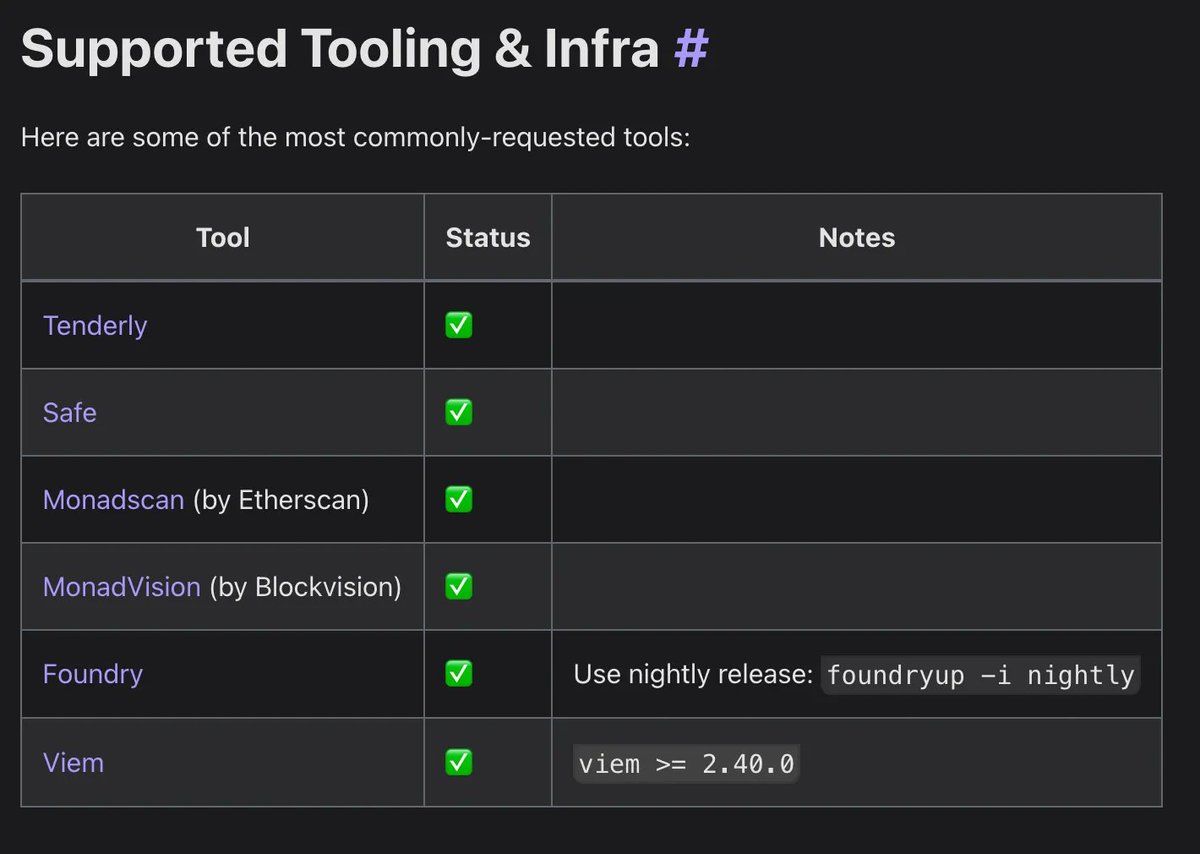
This article will introduce some resources to help you better understand Monad and start developing.
Trending news
MoreCrypto prices
More





