
Ethereum News Today: Investor Dilemma: Ethereum’s Safety vs. Solana’s Speed in 2025’s Altcoin Shift
- 2025 altcoin market sees Ethereum and Solana leading, with MAGACOIN FINANCE emerging as a high-growth presale contender. - Ethereum dominates institutional adoption (53% RWA market share) and scales via Layer 2 upgrades, while Solana outperforms in DEX volume (204% vs. Ethereum) with 10,000 TPS speed. - Solana faces MEV risks and regulatory uncertainty, contrasting Ethereum's deflationary model and 10.8M active users, but potential ETF approval could boost institutional adoption. - MAGACOIN FINANCE, with
In September 2025, the cryptocurrency market is witnessing a significant shift in altcoin dynamics, with Ethereum and Solana continuing to dominate as top blockchain platforms. These developments highlight contrasting strategies and use cases that are reshaping the digital asset landscape.
Ethereum maintains its position as the leading smart contract platform, supported by its robust institutional adoption and a mature developer ecosystem. As of January 2025, Ethereum held $33 billion in Ethereum ETFs and commanded 53% of the real-world asset (RWA) market share, according to recent reports [1]. The network's Layer 2 scalability solutions, including the Pectra and Fusaka upgrades, aim to achieve 10 million transactions per second (TPS), ensuring long-term scalability and reducing gas fees. Ethereum's deflationary tokenomics, driven by EIP-1559 and the 29.6% of its supply staked, further strengthen its appeal for institutional investors.
Solana, meanwhile, has emerged as a formidable competitor in the decentralized finance (DeFi) and decentralized exchange (DEX) market. In January 2025, Solana's DEX volume exceeded Ethereum's by 204%, marking ten consecutive months of outperformance [1]. The platform's technical innovations, such as the Alpenglow consensus upgrade and the Firedancer validator client, enable it to process up to 10,000 TPS with sub-200-millisecond finality, making it ideal for high-frequency trading and real-time applications. Solana's low transaction fees—under a penny per transaction—have attracted a retail-driven user base, with 2.2 million daily active wallets and a 76.8% share in the launchpad market via platforms like Pump.fun [1].
Despite Solana's retail appeal, Ethereum's institutional edge remains strong. Its regulatory clarity, security, and deflationary tokenomics model position it as a safer bet for large-scale investors. Ethereum also boasts a mature user base of 10.8 million monthly active users, supported by platforms like MetaMask [1]. Analysts note that Ethereum's upcoming upgrades, including the Fusaka and Glamsterdam upgrades, aim to further improve scalability and reduce transaction costs, reinforcing its long-term position in the market.
In contrast, Solana faces regulatory uncertainty and security risks such as MEV (Miner Extractable Value) attacks and large token unlocks. The cooling off of memecoin-driven activity has also led to a decline in DEX volumes and overall network activity. However, emerging catalysts such as the potential approval of a Solana ETF could bridge the gap between retail and institutional adoption, strengthening Solana's position in the DEX market [1].
The broader altcoin market is following a predictable cycle, with Bitcoin leading the initial rally, followed by Ethereum's consolidation, and finally liquidity flowing into smaller tokens. Historical trends show that tokens with novel scarcity designs often outperform established brands [3].
Investors weighing Solana versus Ethereum will likely consider risk tolerance and strategic goals. Ethereum's proven resilience and institutional adoption make it a safer long-term bet, while Solana's speed and scalability appeal to developers and retail users.
Source:

Disclaimer: The content of this article solely reflects the author's opinion and does not represent the platform in any capacity. This article is not intended to serve as a reference for making investment decisions.
You may also like
Stablecoin Legislation Booms Globally, Why Is China Taking the Opposite Approach? An Article to Understand the Real National Strategic Choices
Amid the global surge in stablecoin legislation, China has chosen to firmly curb stablecoins and other virtual currencies, while accelerating the development of the digital yuan to safeguard national security and monetary sovereignty. Summary generated by Mars AI. This summary is produced by the Mars AI model and its accuracy and completeness are still being iteratively improved.
Liquidity migration begins! Japan becomes the Fed's "reservoir," 120 billions in carry trade returns set to ignite the December crypto market
The Federal Reserve has stopped quantitative tightening and may cut interest rates, while the Bank of Japan plans to raise rates, changing the global liquidity landscape and impacting carry trades and asset pricing. Summary generated by Mars AI. This summary is produced by the Mars AI model, and the accuracy and completeness of its content are still under iterative improvement.

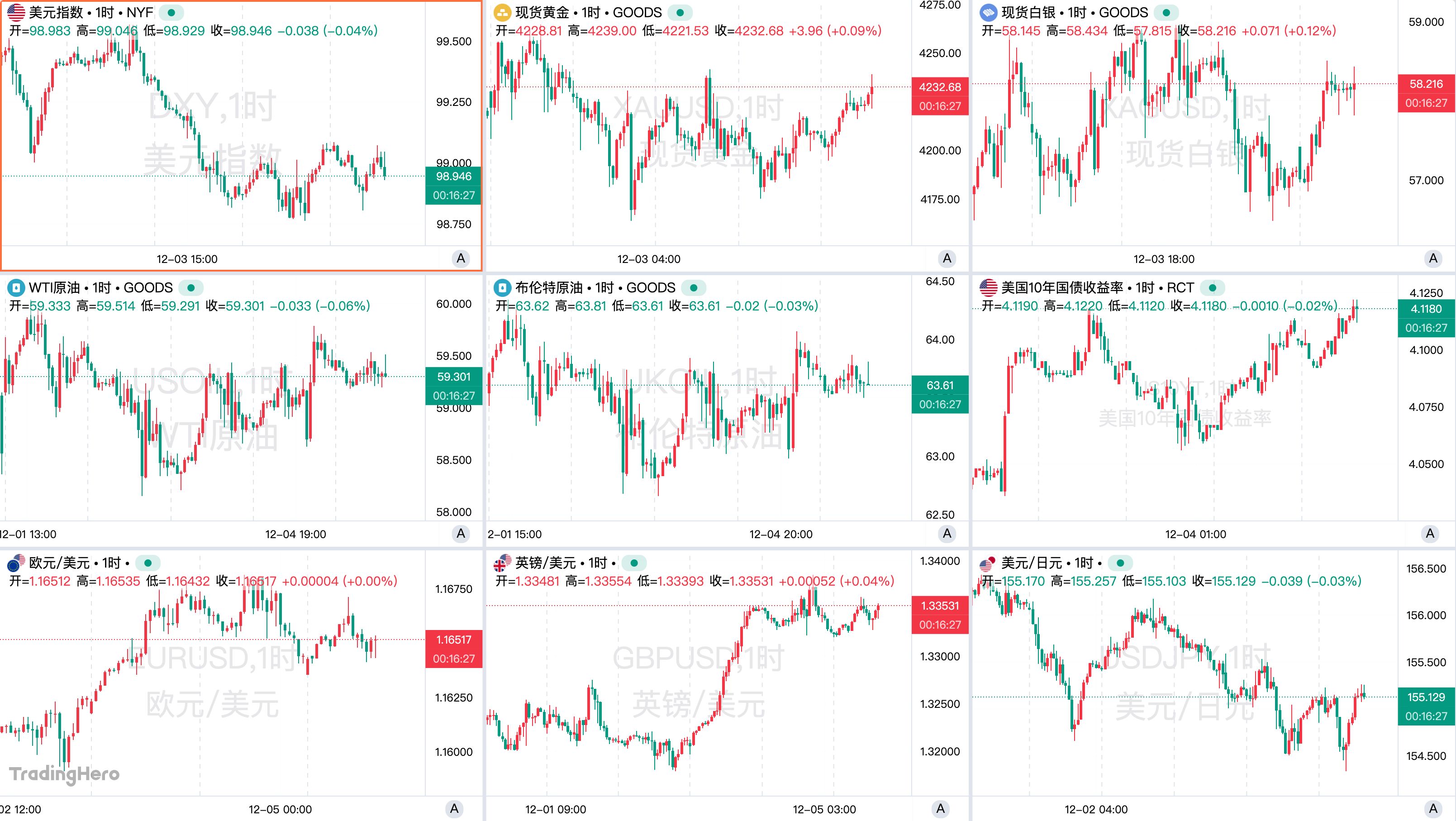
Weekly Hot Picks: Bank of Japan Sends Strongest Rate Hike Signal! Is the Copper Market Entering a Supercycle Rehearsal?
The leading candidate for Federal Reserve Chair is being questioned for potentially "accommodative rate cuts." Copper prices have reached a historic high, and a five-hour meeting between the United States and Russia ended without results. Expectations for a Japanese interest rate hike in December have surged, and Moore Threads' stock soared more than fivefold on its first day... What market moves did you miss this week?
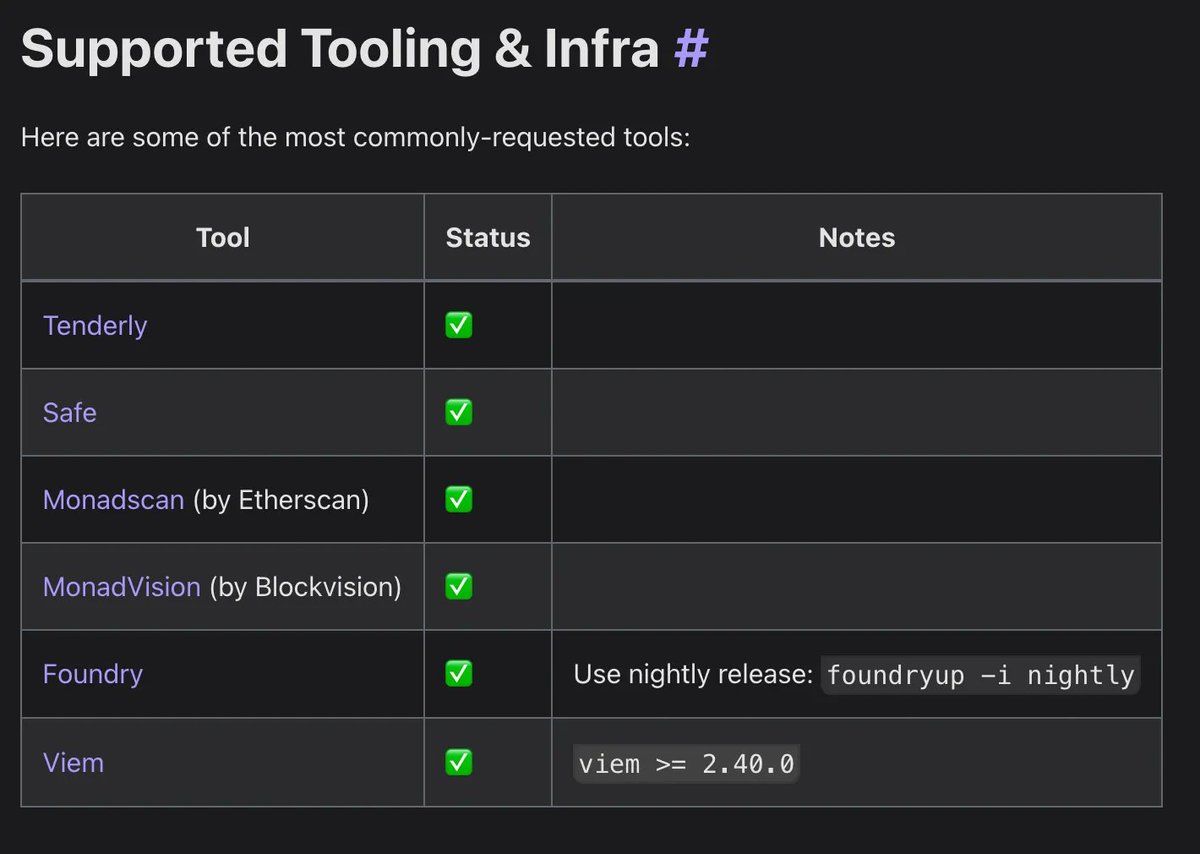
Monad Practical Guide: Welcome to a New Architecture and High-Performance Development Ecosystem
This article will introduce some resources to help you better understand Monad and start developing.
Trending news
MoreCrypto prices
More





