
Trump's Tariffs Raise US Bitcoin Mining Costs by 21%

- Trump's tariff makes bitcoin mining equipment more expensive
- Imported ASICs face an average 21% cost increase
- US mining companies consider migrating to exempt countries
The 100% tariff on imported semiconductors, enacted by the current US President Donald Trump's measure came into effect on August 7th and is already having a direct impact on the country's bitcoin mining economy. The measure, aimed at reducing foreign dependence and encouraging domestic chip production, significantly increased the cost of purchasing ASICs—the main equipment used in the industry.
Many of these chips are still produced in Asia, especially by manufacturers like Bitmain and MicroBT, which limits the options for American miners in light of the new policy. The average increase in hardware acquisition costs is estimated to have reached 21%, putting further pressure on operations already facing tight margins following the April halving and the continued rise in network difficulty.
Second Hashrate Index data , daily revenue per terahash/second has fallen 55% in a year, while global difficulty remains above 123 trillion. The combination of lower profitability and increased capital expenditures has forced miners to reevaluate their expansion plans.
Companies in the sector , such as Luxor and AsicXchange, have paid up to ten times more for air freight to anticipate deliveries before the new tariff. The attempt to circumvent the previous tariffs by relocating production to Southeast Asia has also failed, as the current measure covers 57 countries in the region, including Malaysia and Thailand.
Listed giants such as Marathon Digital, Riot Platforms, CleanSpark, Bitdeer, and Hut 8 saw slight share price drops following the announcement, reflecting investor concern. According to the Cambridge Digital Mining Industry Report, hardware accounts for 60% to 70% of the initial costs of mining operations.
With few domestic production alternatives, some mining companies are considering moving operations to tariff-exempt locations like Canada, Norway, or Kazakhstan. Luxor's COO, Ethan Vera, commented: "I didn't even know you could raise tariffs in, like, two days... it's very difficult to do business like that."
Disclaimer: The content of this article solely reflects the author's opinion and does not represent the platform in any capacity. This article is not intended to serve as a reference for making investment decisions.
You may also like
Morning News | Strategy has accumulated over 200,000 bitcoins so far this year; US SEC Chairman says US financial markets may move on-chain within two years
A summary of major market events on December 7th.

Crypto ETF Weekly Report | Last week, US Bitcoin spot ETFs saw a net outflow of $87.7 million; US Ethereum spot ETFs saw a net outflow of $65.4 million
UAE-based Mashreq Capital has included bitcoin ETFs in its new multi-asset fund.
Weekly News Preview | Federal Reserve Announces Interest Rate Decision; Stable Mainnet Launch
This week's top news highlights from December 8 to December 14.

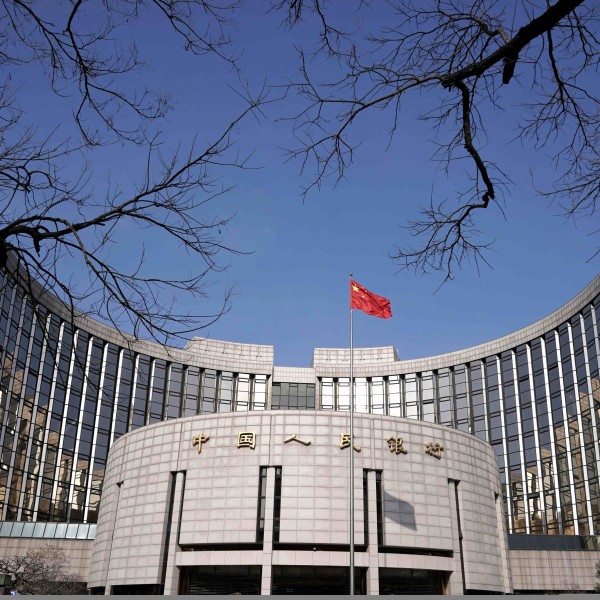
Wang Yongli: Why did China resolutely halt stablecoins?
China is accelerating the development of the digital yuan, and its policy stance to resolutely curb virtual currencies, including stablecoins, has become fully clear. This approach is based on a comprehensive consideration of factors such as China’s global leadership in mobile payments and the digital yuan, the sovereignty and security of the renminbi, and the stability of the monetary and financial system.
Trending news
MoreMorning News | Strategy has accumulated over 200,000 bitcoins so far this year; US SEC Chairman says US financial markets may move on-chain within two years
Crypto ETF Weekly Report | Last week, US Bitcoin spot ETFs saw a net outflow of $87.7 million; US Ethereum spot ETFs saw a net outflow of $65.4 million
Crypto prices
More





