
Fed removes reputational risk from crypto bank supervision

The Federal Reserve announced on June 23 that it will no longer consider reputational risk in its bank examination programs, signaling a shift toward focusing solely on measurable financial risks.
This policy change removes subjective criteria that critics argued unfairly targeted digital asset businesses and limited banks’ willingness to serve crypto companies.
The Fed is reviewing and updating supervisory materials to eliminate references to reputational risk and will train examiners to ensure consistent implementation across supervised banks.
While reputational risk is removed from supervision, banks remain responsible for maintaining sound risk management and complying with applicable laws and regulations.
This move aligns with similar steps taken by the Federal Deposit Insurance Corporation (FDIC) and the Office of the Comptroller of the Currency (OCC).
Together, these changes address longstanding concerns that reputational risk assessments discouraged banks from offering services to crypto firms.
The shift reflects a broader deregulatory agenda aiming to integrate cryptocurrencies more fully into the mainstream financial system.
“In February, I exposed the Fed’s aggressive reputation risk policies that assassinated American bitcoin & digital asset businesses. Today, the Fed announced it will scrap reputation risk as a factor in its bank supervision. This is a win, but there is still more work to be done,” Senator Cynthia Lummis commented on social media platform X.
“One key step toward ending debanking & Operation Chokepoint 2.0 but some of the tools used to effectuate that sad chapter in banking history are still in place,” noted Caitlin Long, CEO of Custodia Bank.
The Federal Reserve’s decision is expected to accelerate the adoption of cryptocurrencies by reducing barriers for banks to offer crypto-related services.
Disclaimer: The content of this article solely reflects the author's opinion and does not represent the platform in any capacity. This article is not intended to serve as a reference for making investment decisions.
You may also like
Stablecoin Legislation Booms Globally, Why Is China Taking the Opposite Approach? An Article to Understand the Real National Strategic Choices
Amid the global surge in stablecoin legislation, China has chosen to firmly curb stablecoins and other virtual currencies, while accelerating the development of the digital yuan to safeguard national security and monetary sovereignty. Summary generated by Mars AI. This summary is produced by the Mars AI model and its accuracy and completeness are still being iteratively improved.
Liquidity migration begins! Japan becomes the Fed's "reservoir," 120 billions in carry trade returns set to ignite the December crypto market
The Federal Reserve has stopped quantitative tightening and may cut interest rates, while the Bank of Japan plans to raise rates, changing the global liquidity landscape and impacting carry trades and asset pricing. Summary generated by Mars AI. This summary is produced by the Mars AI model, and the accuracy and completeness of its content are still under iterative improvement.
Weekly Hot Picks: Bank of Japan Sends Strongest Rate Hike Signal! Is the Copper Market Entering a Supercycle Rehearsal?
The leading candidate for Federal Reserve Chair is being questioned for potentially "accommodative rate cuts." Copper prices have reached a historic high, and a five-hour meeting between the United States and Russia ended without results. Expectations for a Japanese interest rate hike in December have surged, and Moore Threads' stock soared more than fivefold on its first day... What market moves did you miss this week?
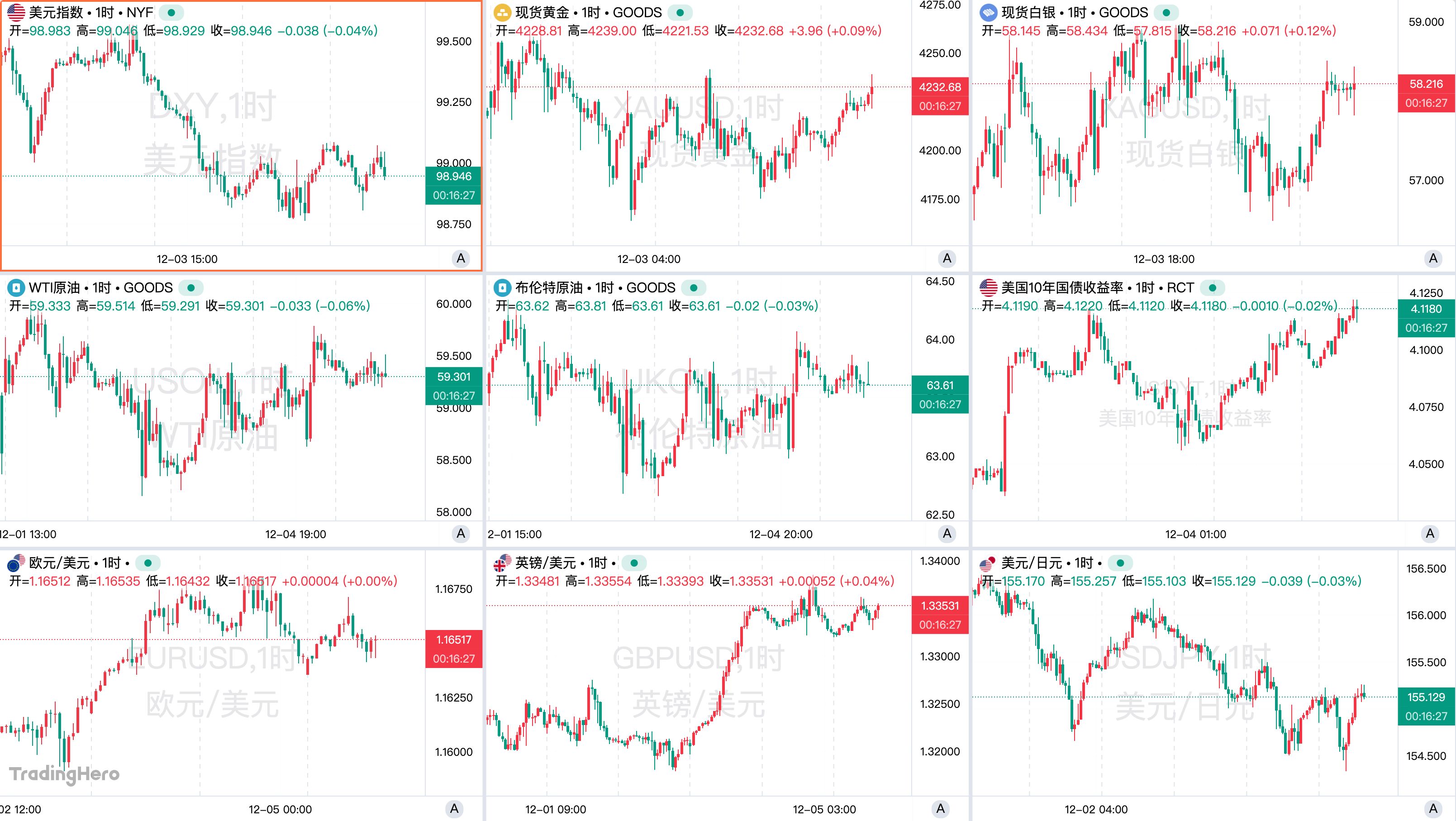
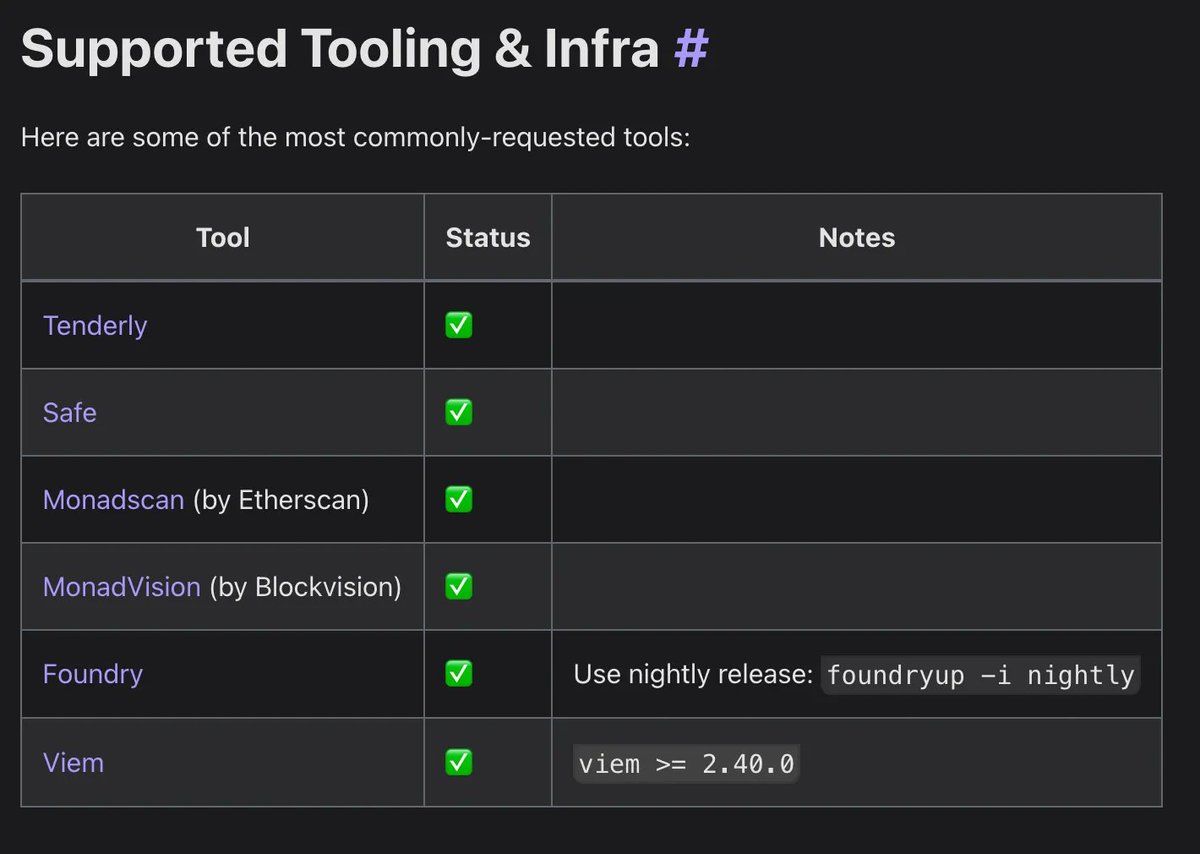
Monad Practical Guide: Welcome to a New Architecture and High-Performance Development Ecosystem
This article will introduce some resources to help you better understand Monad and start developing.
Trending news
MoreCrypto prices
More





